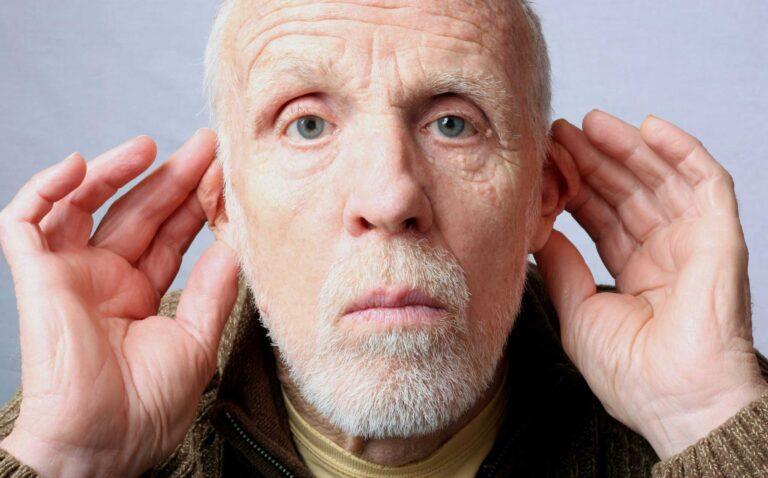
Imagine you are sitting at your kitchen table, sharing a cup of coffee with your daughter. She’s telling you a story about your grandson’s latest soccer game. You catch most of it, but the background hum of the refrigerator seems to swallow the specific details. Rather than asking her to repeat herself for the third time, you nod, smile, and hope your reaction fits the story. It feels like a small compromise in the moment, but this “nod and smile” routine is often the first sign of a much larger issue.
Understanding the health risks of untreated hearing loss in seniors is the first step toward taking control of your health. It’s not just about hearing better; it’s about living better, as in the United States, nearly one in three people between the ages of 65 and 74 has some degree of hearing loss. For those over 75, that number jumps to 50%.
Despite how common this is, many of us wait an average of seven years before seeking help. During those years, untreated hearing loss isn’t just a quiet inconvenience. It is a condition that ripples through every part of your daily life, from your physical safety to your emotional well-being. We will explore the long-term effects of untreated hearing loss and how modern solutions can help you stay connected.
The Mental Toll: Untreated Hearing Loss and Cognitive Decline
One of the most significant long term effects of untreated hearing loss is how it impacts the brain. We often think of hearing as something that happens in the ears. In reality, your ears are just the microphones; your brain is the processor that makes sense of the sound.
The Problem of “Cognitive Load”
When you have untreated hearing loss, your brain has to work significantly harder to decode muffled sounds. Think of your brain like a computer. When you have too many programs running at once, the whole system slows down.
For a senior with hearing loss, the “program” for listening takes up almost all the processing power. This leaves very little energy for memory or thinking. Over time, this constant strain can lead to “brain fatigue.” You might find yourself feeling exhausted after a simple social lunch.
The Connection to Dementia
Recent studies from institutions like Johns Hopkins University have shown a startling link between untreated hearing loss and cognitive decline.
- The Stat: Seniors with mild hearing loss are twice as likely to develop dementia as those with normal hearing.
- The Scale: For those with severe untreated hearing loss, the risk can be five times higher.
While this sounds frightening, there is a silver lining. Research suggests that addressing the loss with hearing aids can significantly slow down this decline. By giving your brain the sound it needs, you are essentially “exercising” your cognitive pathways.
If you’re worried about how a professional might evaluate your hearing, read our guide on What to Expect in an Audiologist Appointment.
Social and Emotional Health Risks
If you’ve ever found yourself avoiding a favorite bridge club or a noisy Sunday brunch because it’s “too much work” to follow the conversation, you are experiencing the social health risks of untreated hearing loss in seniors.
The Cycle of Isolation
Untreated hearing loss often leads to social withdrawal. When it becomes embarrassing or exhausting to ask people to repeat themselves, it feels easier to just stay home. This isolation is a major risk factor for:
- Depression: Feeling cut off from the world can lead to a deep sense of loneliness.
- Anxiety: You may worry about misunderstanding important information at the pharmacy or the bank.
- Reduced Independence: When you stop participating in community activities, you lose a vital part of your support network.
In the U.S., social isolation is considered a public health crisis for older adults. Addressing your hearing isn’t just a medical choice; it’s a way to keep your social calendar – and your spirits – vibrant.

Physical Safety: What Happens if Hearing Loss is Left Untreated?
The risks aren’t just in your head; they are also under your feet. One of the most overlooked aspects of untreated hearing loss is its impact on your physical balance and safety.
Increased Risk of Falls
Your ears play a dual role: they hear sound, and they help you balance. Inside your ear is a specialized system that tells your brain where your body is in space. When this system is compromised by untreated hearing loss, your balance can suffer.
- Spatial Awareness: Hearing helps you “map” the room. You hear the floor creak under your foot or the sound of your own clothes moving. Without these cues, you are less aware of your surroundings.
- Brain Distraction: Because your brain is so busy trying to hear, it pays less attention to your gait and balance.
Hidden Dangers in the Environment
Untreated hearing loss makes it harder to hear “warning sounds” that keep us safe in daily US life. You might miss the sound of a distant siren, a smoke alarm in another room, or the hum of an electric car as you cross the street.
Balance and hearing are deeply connected. Learn more about how to stay steady here.
Practical Daily Impacts: From Finances to Health
If you are wondering what happens if hearing loss is left untreated in your day-to-day routine, consider the practical hurdles that pop up.
- Communication with Doctors: It is much easier to misinterpret dosage instructions or follow-up care if you aren’t hearing clearly.
- Financial Risk: Misunderstanding a total at a store or a detail in a contract can lead to costly mistakes.
- Workplace Challenges: For the many seniors who are still working or volunteering, untreated hearing loss can lead to decreased productivity or misunderstandings with colleagues.
The Financial Cost of Delay
Ironically, many people delay treatment to save money. However, the long term effects of untreated hearing loss can be more expensive. Higher risks of falls, hospitalizations, and depression can lead to much higher healthcare costs over time compared to the one-time cost of a hearing solution.
Tips and Best Practices for Moving Forward
The good news is that untreated hearing loss is one of the most manageable health conditions we face as we age. Here are some actionable steps you can take today:
1. Get an Annual Screening
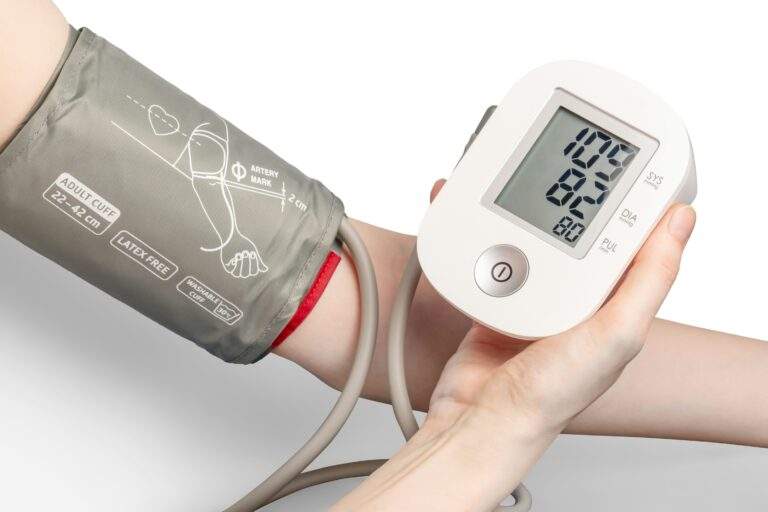
Just like you get your eyes checked and your blood pressure taken, make a hearing test part of your annual routine.
- Don’t want to wait for an appointment? See How to Detect Hearing Loss at Home for a quick check.
2. Optimize Your Environment
While you wait for treatment, make small changes:
- Sit with your back to the wall in restaurants to reduce background noise.
- Ask people to face you when they speak.
- Turn on closed captioning on your television.
3. Explore Modern Technology
In the U.S., you no longer need a $5,000 prescription to hear better. Over-the-Counter (OTC) hearing aids are now available for mild-to-moderate loss.
- If you are looking for a simple, high-quality solution, consider [This Top-Rated OTC Hearing Aid]. It’s designed specifically for seniors who want clarity without the fuss.
- To keep your ears and devices healthy, a specialized cleaning kit is a must. [Check out our favorite Hearing Aid Maintenance Kits here].
Untreated hearing loss is a silent thief. It slowly steals the punchlines of jokes, the safety of your stride, and the sharpness of your memory. However, you have the power to stop it. By acknowledging the health risks of untreated hearing loss in seniors, you are prioritizing your connection to the world and your long-term health.
The first step is always the hardest, but it’s also the most rewarding. Don’t let your hearing loss go untreated for another day. Reconnect with your family, protect your brain, and enjoy the sounds of your life to the fullest.