What Are OTC Hearing Aids? A Simple Buyer’s Guide
You’re at your favorite local diner, the one with the best blueberry pancakes in town. You can hear the low rumble of the coffee machine and the clinking of ceramic mugs. Your friend across the table is laughing and telling a story, and you see their lips moving perfectly. But for some reason, their words feel like they’re under a layer of thick wool. You find yourself smiling and nodding, even though you only caught every third word.
This “hidden” struggle is common. For years, the only way to fix it was a long journey of clinical appointments and a $5,000 price tag. However, the world changed in late 2022 when the FDA opened the doors to a new category of devices. Now, in 2026, the question “What Are OTC Hearing Aids?” is one of the most searched topics for seniors looking to stay connected.
If you or a loved one is tired of “missing out” on the conversation, this guide will walk you through everything you need to know about these modern, accessible devices.
What Are OTC Hearing Aids?
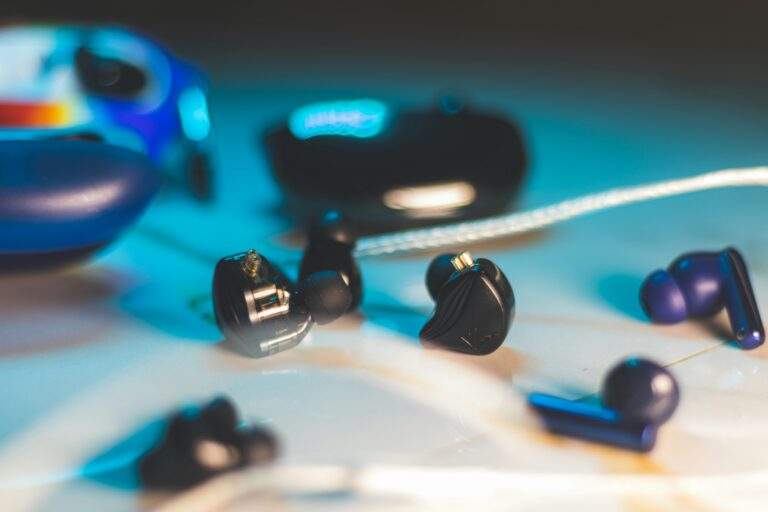
To put it simply, Over-the-Counter (OTC) hearing aids are a category of medical devices you can buy directly without a doctor’s visit. They are regulated by the FDA and are designed specifically for adults (18+) who have self-perceived mild-to-moderate hearing loss.
The primary goal of OTC Hearing Aids as a category is to make hearing health more affordable and accessible. Before these were available, the average pair of hearing aids cost nearly $4,000-$6,000. Today, you can find high-quality OTC models for anywhere from $300 to $1,500, often saving families thousands of dollars.
Unlike the “cheap amplifiers” of the past, these are sophisticated digital tools. They don’t just make everything louder; they use advanced computer chips to clarify human speech while dampening background noise.
What Are OTC Hearing Aids and How Do They Work?
What are OTC hearing aids, and how do they work? That is the first step toward feeling confident in your purchase. These devices are mini-computers for your ears, consisting of four main parts:
- The Microphone: Picks up sounds from your environment.
- The Processor: This is where the magic happens. It analyzes the sound and distinguishes between “noise” (like a vacuum) and “speech” (like a child’s voice).
- The Receiver (Speaker): Sends the clarified, amplified sound into your ear canal.
- The Power Source: Most recent models use built-in rechargeable batteries.
When we look at what OTC hearing aids are and how they work in a practical sense, the “self-fitting” aspect is key. Most modern devices, such as the [Linner Mercury mini-RIC OTC Hearing Aid], pair with a smartphone app. You take a quick hearing screening through the app, and the software automatically adjusts the hearing aid’s settings to match your unique hearing profile. It’s like having a mini-audiologist inside your phone.
Learning what OTC hearing aids are and how they work also involves understanding “frequency response.” These devices can be programmed to boost high-pitched sounds (like the letters S, F, and T), which are usually the first things seniors lose the ability to hear.
OTC Hearing Aids vs Prescription Hearing Aids Explained
If you are researching options, you’ve likely seen the term “prescription” or “clinical” aids. Having otc hearing aids vs prescription hearing aids explained clearly can help you decide if you can skip the clinic or if you need professional intervention.
The Professional Difference
The biggest difference between OTC hearing aids vs prescription hearing aids is the level of customization.
- OTC Aids: You are the captain. You buy them, you fit them, and you adjust them via an app.
- Prescription Aids: An audiologist manages the process. They use clinical equipment to measure your ear canal’s shape and your brain’s processing speed.
Price and Power
In any OTC hearing aids vs prescription hearing aids comparison, we have to talk about power. OTC devices are strictly for mild-to-moderate loss. If you struggle to hear loud sounds like sirens or shouting, or if you have “profound” hearing loss, OTC aids simply won’t be powerful enough for you.
Furthermore, comparing OTC hearing aids vs prescription hearing aids wouldn’t be complete without mentioning maintenance. With prescription aids, you often pay for “bundled” care, meaning you can walk into the clinic for cleanings for years. With OTC, you are responsible for your own cleaning and basic troubleshooting.
Pro Tip: Not sure which path to take? Read our in-depth comparison: OTC vs Prescription Hearing Aids: Which Is Better for You?.
Who Should Use OTC Hearing Aids?
Not everyone is a candidate for these devices. Knowing who should use otc hearing aids can save you a lot of frustration and money.
You should use OTC hearing aids if:
- You feel like people are “mumbling.”
- You struggle to hear in noisy places like restaurants or family gatherings.
- You turn the TV volume up higher than your spouse/partner prefers.
- Your hearing loss has come on gradually over several years.
Conversely, who should use otc hearing aids does not include children or people with severe hearing loss. If you have “red flag” symptoms – like fluid draining from your ear, sudden hearing loss in just one ear, or intense dizziness – you should bypass OTC options and see an Ear, Nose, and Throat (ENT) doctor immediately.
Those who should use OTC hearing aids also include “tech-ready” seniors. Since most of these devices rely on smartphone apps for the best experience, you (or a tech-savvy caregiver) should be comfortable using a basic app on an iPhone or Android device.
Are OTC Hearing Aids Safe for Seniors?
Safety is a top priority. You might wonder: are OTC hearing aids safe for seniors, or can they damage your ears by being too loud?
Because these are FDA-regulated, the answer is a firm “Yes, they are safe.” The FDA has strict rules for manufacturers:
- Output Limits: OTC aids cannot exceed certain volume levels (usually around 111–117 decibels). This prevents accidental “blasts” of sound from hurting your eardrum.
- Mandatory Labeling: Every box must clearly state that they are for adults only and list “red flag” medical conditions.
- User Controls: To ensure that OTC hearing aids are safe for seniors, the FDA requires a user-accessible volume control so you can turn them down instantly if needed.
When asking are otc hearing aids safe for seniors, you should also consider “Auditory Deprivation.” This is a condition where your brain “forgets” how to process sound because it hasn’t heard it in a long time. Using safe, regulated OTC aids is actually much safer for your long-term brain health than doing nothing at all.
Research suggests that the answer to ‘are otc hearing aids safe for seniors’ is strongly linked to cognitive health; by staying hearing-active, you significantly reduce your risk of isolation-related depression.

The 2026 Tech Revolution: What’s Inside?
When we ask “What Are OTC Hearing Aids?” today, the answer includes technology that didn’t exist just a few years ago.
- Auracast™ Audio: This is the new Bluetooth standard. In 2026, many US airports and theaters broadcast audio directly to OTC hearing aids.
- AI Noise Reduction: Modern chips can “learn” your environment. If you’re at a windy park, the hearing aid recognizes the wind pattern and mutes it so you can hear your walking partner.
- UV Cleaning Cases: Brands like Audien now include UV lights in their charging cases to kill bacteria, making the question of “are otc hearing aids safe for seniors” even easier to answer with a “yes.”
Buyer’s Checklist: Finding the Right Match
Now that you know what OTC hearing aids are and how they work, use this checklist before you hit “buy”:
- Check the Return Policy: Most reputable brands offer a 45-day to 100-day risk-free trial. Your brain needs time to adjust!
- Evaluate the App: Download the brand’s app before you buy the hearing aids. Is it easy to read? Are the buttons large enough?
- Consider the Style: Do you want a “Behind-the-Ear” (BTE) model for better battery life, or a “Completely-in-Canal” (CIC) model for invisibility?
- Confirm the Support: Even the best OTC aids can be tricky. Does the company offer a phone line or video chat with a hearing specialist?
For a ranked list of the best models this year, read our review on The Best Hearing Aids for Seniors in 2026.
Actionable Tips for New Users
- Start in the Quiet: When you first get your aids, wear them in your living room for just 2 hours. Don’t go to a loud party on day one!
- The “Paper” Test: Read a newspaper out loud to yourself. It will sound strange at first (your own voice might sound like it’s in a tunnel), but this helps your brain re-calibrate.
- Caregiver Support: If you are a caregiver, help your senior by checking the “domes” (the ear tips) for wax once a week. A “broken” hearing aid is often just a clogged one!
Understanding what OTC Hearing Aids are is about more than just shopping for a gadget; it’s about reclaiming your seat at the table. These devices have bridged the gap between “struggling in silence” and “expensive clinical care.” By learning what otc hearing aids are and how they work, you’ve already taken the hardest step in the journey.
Whether you choose a discreet in-ear model or a powerful behind-the-ear device, the goal remains the same: staying connected to the people and sounds you love.
Ready to find your perfect match? Check out our Guide to the Best OTC Hearing Aids for Seniors here.
Want more tips on aging in place? Sign up for our weekly newsletter to get the latest on senior health, technology, and wellness delivered straight to your inbox.