If you or a loved one manages diabetes, you are likely already focused on protecting your eyes, feet, and heart. You know that high blood sugar can silently damage the small blood vessels and nerves throughout your body.
But there is one vital sense that is often overlooked in diabetes care: your hearing.
The link between Diabetes and Hearing Loss is no longer a theory; it is a clinical fact. Studies conducted by the National Institutes of Health (NIH) found that people with diabetes are twice as likely to have hearing loss compared to those without the condition. This means if you have diabetes, protecting your hearing is just as important as protecting your vision.
Why does this matter? Because the damage done by high blood sugar to the delicate inner ear is often permanent. However, understanding this connection empowers you. By managing your blood sugar strictly and intervening early, you can take control of your auditory health. In this detailed guide, we will explore the science behind Diabetes and Hearing Loss, look at the signs of damage, and discuss treatment options.
The Double Threat: How Diabetes Attacks Your Ears
The reason Diabetes and Hearing Loss are so closely related boils down to two major issues: nerve damage and blood vessel damage. Your inner ear, specifically the cochlea (the snail-shaped hearing organ), is incredibly sensitive and relies entirely on a steady, perfect supply of blood and oxygen.
1. Neuropathy (Nerve Damage)
Diabetes is famous for causing neuropathy, or nerve damage, especially in the extremities like the feet. The same process happens in the auditory nerve.
- The Process: High levels of sugar (glucose) in the blood are toxic to nerve endings. The auditory nerve, which transmits sound signals from the ear to the brain, can become damaged, frayed, and slow.
- The Effect: Even if the ear catches the sound, the damaged nerve struggles to send a clear signal to the brain. This results in difficulty understanding speech, especially high-pitched sounds and consonants (like ‘s’ and ‘f’).
2. Vascular Damage (Blood Vessel Damage)
The inner ear is nourished by some of the smallest, most fragile blood vessels in the entire body.
- The Process: High glucose levels thicken the blood and damage the walls of these small vessels (a condition called microangiopathy). This starves the inner ear’s sensory cells (hair cells) of the oxygen and nutrients they need.
- The Effect: The hair cells die off prematurely. Since they do not regenerate, this leads to permanent, sensorineural hearing loss.
This relentless double attack makes Diabetes and Hearing Loss one of the most serious pairs of co-existing conditions for seniors.
Recognizing Diabetes Hearing Loss Symptoms
Because the damage from diabetes often occurs slowly and painlessly, it can be easy to miss. Unlike an ear infection, you won’t feel anything physically wrong. However, there are specific diabetes hearing loss symptoms to watch for:
- Bilateral and Symmetrical: In most cases, the damage affects both ears roughly the same amount. The loss typically occurs gradually over time, mimicking typical age-related hearing loss.
- High-Frequency Loss First: You will likely struggle to hear high-pitched sounds first. This means you can hear the rumble of a truck, but you miss the chirping of a bird, or the ‘s’ sound in speech.
- Speech Clarity Issues: You can hear that people are talking, but you cannot figure out what they are saying. It feels like everyone is mumbling.
- Difficulty in Noise: You struggle immensely in places with background noise, like restaurants or busy gatherings, because your brain cannot filter speech from the surrounding sounds.
Can Diabetes Cause Hearing Loss in One Ear?
While rare, the answer is yes. Can diabetes cause hearing loss in one ear? It is possible, especially if the person experiences sudden or temporary hearing loss due to a sudden vascular event (like a mini-stroke or clot) affecting only one side of the cochlea. However, the typical pattern of diabetic damage affects both ears. If you experience a sudden, one-sided loss, seek immediate medical attention.
For more on one-sided hearing changes, read our guide on Unilateral vs Bilateral Hearing Loss in Seniors.
Can Diabetes Hearing Loss Be Reversed?
This is the most critical question when dealing with diabetes-related damage.
In cases where the damage is permanent due to hair cell death or nerve damage (which is often the case with long-term, poorly controlled diabetes), the damage is generally irreversible.
The hair cells in the cochlea do not regenerate.
The Role of Blood Sugar Control
However, while the damage itself may be permanent, you can stop it from getting worse.
- Stabilization: Aggressive and consistent control of blood glucose levels is the most effective way to slow the progression of hearing loss. By maintaining healthy A1C levels, you protect the remaining hair cells and blood vessels from further degradation.
This is why doctors emphasize that good diabetes management is not just about reducing amputation risk; it is about preserving all your senses.

Diabetes Hearing Loss Treatment: Technology Is Key
If you have confirmed hearing loss due to diabetes, the treatment path is usually clear: high-quality amplification technology.
1. Prescription Hearing Aids
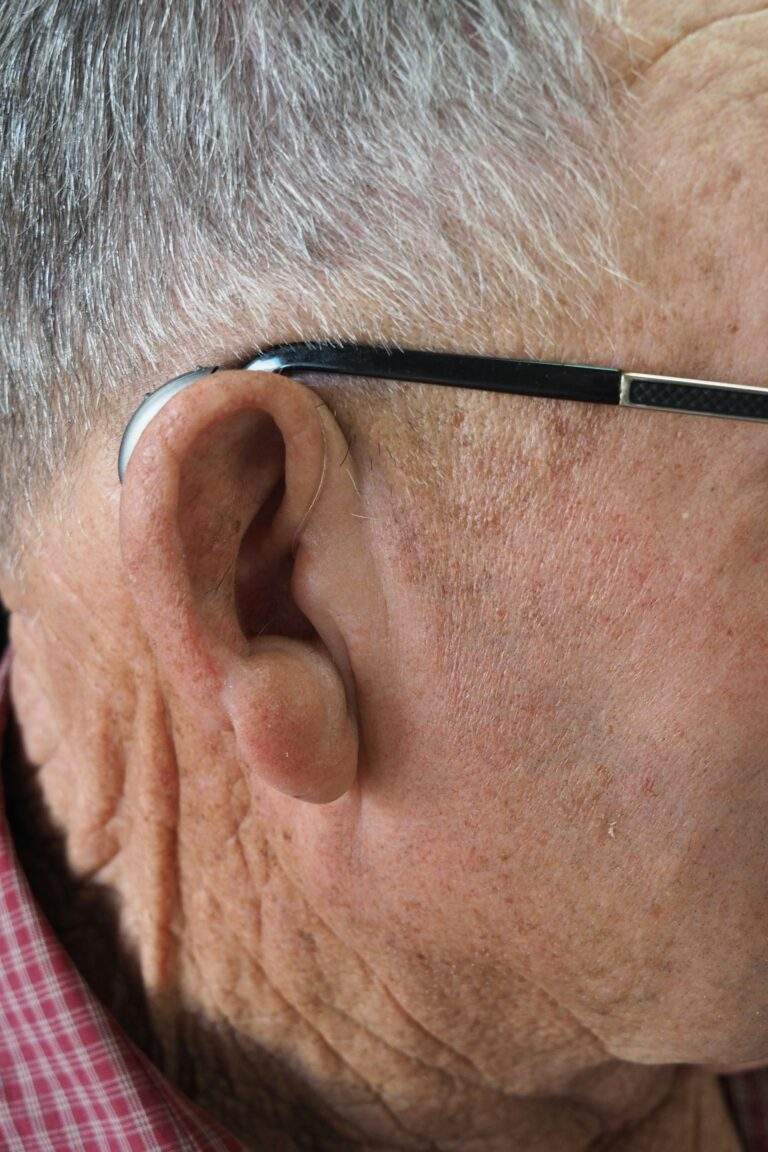
Since diabetic hearing loss is typically sensorineural (nerve-related), the best solution is a professionally fitted, high-quality hearing aid.
- How They Help: Modern hearing aids are far more advanced than simple amplifiers. They use complex digital processing to isolate speech frequencies, reduce background noise, and compensate precisely for the damaged frequencies, helping your brain finally hear clearly.
2. Routine Screening
Due to the high risk, seniors with diabetes should make hearing screenings a routine part of their annual health checkup.
- Action Item: Ask your primary care doctor to refer you to an audiologist for a baseline test and annual monitoring. Early detection of damage—even mild loss—allows for quicker intervention, which can protect against cognitive decline.
Hearing loss is linked to memory trouble. See our article: Hearing Loss and Dementia: What Studies Say.
Best Practices and Recommendations
Managing Diabetes and Hearing Loss requires a coordinated effort between your endocrinologist (diabetes doctor), your primary care physician, and your audiologist.
1. Prioritize Blood Sugar Management
This is your most important tool for preventing further damage.
- Tip: Stick to your doctor’s prescribed diet, exercise routine, and medication schedule religiously. Every day you keep your glucose in range is a day you protect the remaining hair cells in your ears.
2. Coordinate Your Care
- Action: When you go to your audiologist, tell them you have diabetes. When you see your endocrinologist, tell them you are getting routine hearing checks. This ensures all your providers see the whole picture.
3. Mind Your Medications
Some medications used to treat diabetes-related conditions can also be ototoxic.
- Example: Some Loop Diuretics (water pills) prescribed for diabetic kidney or heart issues can temporarily affect hearing. Ask your doctor about the potential side effects of all your prescriptions.
4. Be Proactive with Amplification
Do not wait until the loss is severe. Because of the direct neurological link between Diabetes and Hearing Loss, intervening with a hearing aid at the mild or moderate stage can reduce listening fatigue and protect your cognitive function.
- Recommendation: If cost is an issue, consider starting with a high-rated OTC hearing aid designed for mild-to-moderate loss. Check our top recommendation of FDA-approved OTC devices here.
Conclusion
The connection between Diabetes and Hearing Loss is a serious challenge, but it is one you can meet with awareness and action. The same discipline you use to manage your blood glucose—checking numbers, eating well, and exercising—is the discipline that will save your hearing.
By treating the hearing loss with appropriate technology, you ensure that this manageable condition does not become a source of social isolation or cognitive decline. Protect your ears as fiercely as you protect your heart.
Ready to take the next step?
- [Download our Free “Hearing Health” Checklist] to bring to your next doctor’s appointment.
- [Explore the Best Hearing Aids for Seniors] to find the right technology for your needs.