How High Blood Pressure and Hearing Loss Are Linked
If you manage high blood pressure (hypertension), you already know the importance of regular checks, medication, and a low-sodium diet. You are protecting your heart, your kidneys, and your brain from the damage that high pressure can cause to blood vessels.
But here is a part of the body that most people overlook: your inner ear.
Recent medical research has confirmed a serious and surprising connection between High Blood Pressure and Hearing Loss. The same high pressure that can damage the vessels in your heart can also destroy the tiny, sensitive blood vessels that supply the most vital part of your hearing organ.
This isn’t just about aging; it’s about circulation. Understanding this link is crucial because it means treating your blood pressure is not just about extending your life—it’s about preserving your quality of life. So let’s break down the science, discuss whether hearing loss from high blood pressure can be reversed, and provide practical, reassuring steps you can take today to protect both your hearing and your heart.
The Vascular Link: How High Blood Pressure Damages Hearing
The secret to hearing lies in the inner ear, within a delicate, fluid-filled chamber called the cochlea. Inside the cochlea are thousands of tiny hair cells that act as microphones, converting sound into electrical signals for the brain.
These hair cells have an enormous appetite for oxygen and nutrients. To meet this demand, they rely on a constant, perfect flow of blood through some of the smallest, most delicate blood vessels in your entire body.
When you have High Blood Pressure and Hearing Loss, the damage occurs in two ways:
1. Vessel Narrowing and Hardening (Atherosclerosis)
- The Problem: Years of high pressure force your heart to pump harder. This pressure damages the walls of your blood vessels, leading to plaque buildup and hardening (atherosclerosis).
- The Effect: When the tiny vessels supplying the cochlea become hardened and narrowed, they can no longer deliver enough oxygen to the sensitive hair cells. These hair cells become starved and die off prematurely. Since they do not grow back, this leads to permanent sensorineural hearing loss, which is the most common form of age-related decline.
2. Blood Flow Disruption
- The Problem: High blood pressure often leads to a phenomenon called microangiopathy, which is damage to the very smallest blood vessels.
- The Effect: Irregular blood flow and pressure spikes can create tiny, silent blockages or even ruptures in the inner ear. This disrupts the fluid balance within the cochlea, causing muffled hearing, temporary dizziness, and sometimes permanent damage.
The damage from High Blood Pressure and Hearing Loss is almost always gradual, which is why it can be easy to miss until the loss is significant.
Hearing Loss Symptoms Associated with Hypertension
Since the damage is similar to general age-related hearing loss, it can be hard to pinpoint. However, if you have high blood pressure, watch for these specific signs:
- Bilateral and Symmetrical Loss: The hearing loss tends to affect both ears similarly.
- High-Frequency Trouble: You struggle most with high-pitched sounds and consonants (like ‘s’, ‘f’, ‘t’), making it hard to understand speech in noisy environments.
- Tinnitus: A persistent ringing, buzzing, or roaring in one or both ears can often be associated with circulatory issues, making it a key sign of vascular stress on the inner ear.
- Fluctuating Hearing: On days when your blood pressure is poorly controlled, you might notice your hearing feels more muffled or inconsistent.
Can Hearing Loss Cause Hypertension?
While we focus on the damage high blood pressure does to the ears, many people wonder about the reverse: can hearing loss cause hypertension?
While hearing loss doesn’t physically cause high blood pressure, it can increase the stress that leads to it.
- The Stress Loop: When you strain to hear, your brain enters a constant state of stress (cognitive load). This chronic stress activates your body’s “fight or flight” response, which causes heart rate and blood pressure to rise.
- The Connection: Untreated hearing loss is a major source of stress and social isolation, both of which are known risk factors for developing or worsening hypertension.
To understand this “cognitive load” in more detail, read this article How Hearing Loss Impacts Memory.
Can Hearing Loss from High Blood Pressure Be Reversed?
This is the question of hope, and the answer, unfortunately, is mixed.
Irreversible Damage
If the blood pressure has caused permanent damage to the hair cells in the cochlea, that specific cell death cannot be reversed. This damage requires technological compensation, such as hearing aids.
Reversible/Preventable Damage
However, here is the good news:
- Stop the Progression: Strictly managing your hypertension with medication and lifestyle changes is the single most effective way to prevent further hearing loss. You can protect the remaining hair cells.
- Temporary Changes: If your hearing fluctuates due to high pressure, bringing the blood pressure back into the target range may stabilize the fluid balance in the inner ear, potentially reversing some temporary symptoms.
The key takeaway is that treating your hypertension now is an investment in preventing the loss you might experience in five years.
Treating Both Conditions: A Coordinated Approach
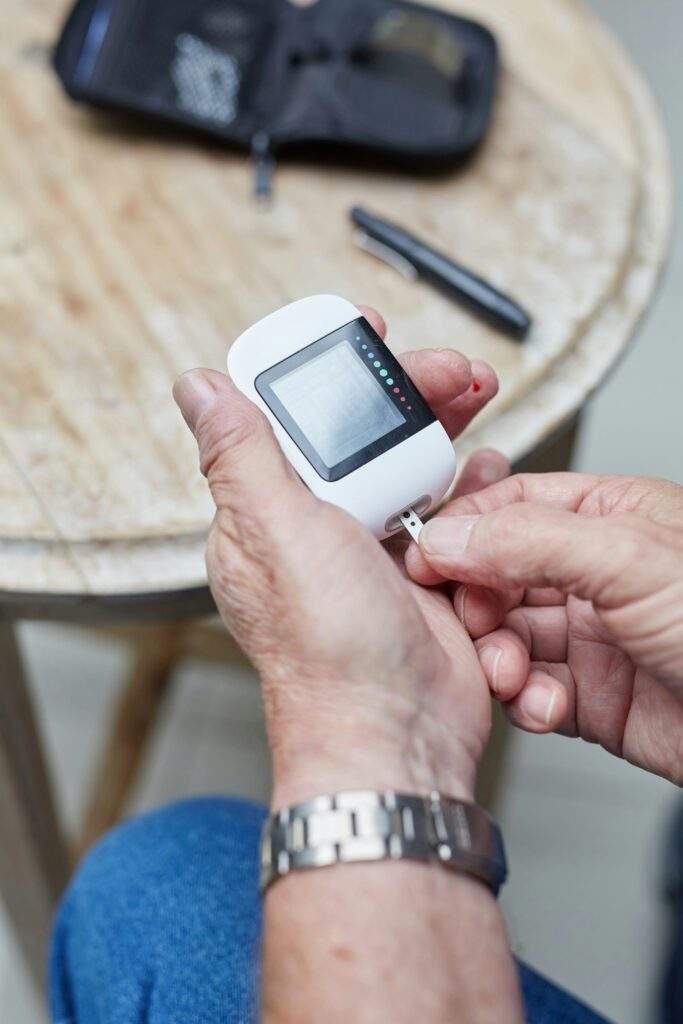
Managing High Blood Pressure and Hearing Loss requires coordination between your primary care doctor and your audiologist.
1. Prioritize Vascular Health
If you have hearing loss and hypertension, your focus must be on managing your blood pressure first.
- Lifestyle: Follow a low-sodium diet (such as the DASH diet), limit caffeine and alcohol, and exercise regularly. These steps are crucial for both your heart and your inner ear.
- Medication: Take your blood pressure medication exactly as prescribed. Do not skip doses, as sudden pressure spikes can be dangerous for the fragile inner ear vessels.
2. Hearing Aids as a Stress Reliever
Once your hearing loss is confirmed, the right amplification device becomes an essential tool for managing your overall health.
- The Benefit: A hearing aid reduces the stress and strain of listening. By lowering the “cognitive load,” it can help reduce chronic stress, which indirectly supports healthy blood pressure management.
- Recommendation: Look for modern, high-quality digital hearing aids that specialize in noise reduction. [Check out our review of the Best Hearing Aids for Seniors] to find devices that ease listening fatigue.
3. Be Aware of Ototoxic Medications
Some medications used to treat hypertension-related conditions are also ototoxic (toxic to the ear).
- The Culprits: Certain Loop Diuretics (like Furosemide/Lasix), used to treat fluid retention from heart failure, can sometimes temporarily affect hearing.
- Action: If you are prescribed a diuretic or other blood pressure medication, ask your doctor or pharmacist: “Is this drug ototoxic, and are there alternatives?”
To learn more about common drug risks, see our article: Medications That Cause Hearing Loss in Seniors.
Tips and Best Practices for a Healthy Heart and Ears
It is entirely possible to live a full, connected life while managing both hypertension and hearing loss. Here are actionable tips:
1. Monitor Your Numbers Twice
Make it a habit to check both your blood pressure and how you are hearing.
- Tip: If your pressure is high, be extra vigilant about listening fatigue, stress, and tinnitus over the next few days.
2. Practice Mindful Breathing
Chronic stress is a hypertension trigger. Use hearing loss solutions (like hearing aids) combined with stress reduction techniques.
- Tip: If you feel overwhelmed in a noisy situation, excuse yourself for a minute and practice deep, slow breathing. This lowers your heart rate and your blood pressure.
3. Embrace the DASH Diet
The Dietary Approaches to Stop Hypertension (DASH) diet is rich in potassium, calcium, and magnesium.
- Benefit: These minerals are vital for nerve function and blood vessel health, directly combating the damage caused by high pressure and nourishing the inner ear.
4. Schedule a Baseline Hearing Test
If you were recently diagnosed with high blood pressure, schedule an audiogram immediately to get a “before” picture of your hearing health. This is your most powerful tool for early detection.
Conclusion
The link between High Blood Pressure and Hearing Loss is a clear reminder that health is holistic. The state of your circulatory system directly impacts your ability to hear the world.
By managing your hypertension—staying on top of your diet, medication, and exercise—you are doing more than just protecting your heart. You are providing critical defense for the delicate microphones in your ears. Don’t let the silent squeeze of high pressure take away your connection to your loved ones. Take control of your blood pressure and safeguard your hearing today.
Ready to start protecting both your heart and ears?
- [Download our Free “Healthy Hearing” Checklist] to bring to your next doctor’s visit.
- [Check our Recommendation of hearing aids] that reduce stress and cognitive load.