Smoking and Alcohol Effects on Senior Hearing: The Hidden Dangers You Can’t Ignore
As we age, we often look for simple ways to improve our health and increase our quality of life. We focus on exercise, diet, and managing chronic conditions like high blood pressure. But sometimes, the biggest gains come from reducing habits we might have enjoyed for decades.
Smoking and drinking, even in moderation, don’t just affect the lungs and liver. Recent, compelling research shows that they can directly and permanently damage your ability to hear. The effects of smoking on hearing and the impact of excessive alcohol consumption are now recognized as major contributors to age-related hearing decline.
If you are a senior who still enjoys a cocktail or smokes occasionally, understanding Smoking and Alcohol Effects on Senior Hearing is a crucial step in protecting your future. This isn’t about guilt; it’s about empowerment. It’s about realizing that by reducing or eliminating these habits, you can take a powerful, proactive step toward preserving your connection to the world. We will break down the science and give you simple, actionable advice.
Part 1: Smoking and Hearing Loss – The Vicious Cycle
The link between smoking and hearing loss is well-established. Multiple studies, including large population-based research in the U.S., have shown that smokers are significantly more likely to develop hearing loss than non-smokers.
How Smoking Damages Your Inner Ear
The damage caused by smoking is primarily vascular (blood vessel) and toxic.
1. Oxygen Starvation (Vascular Damage)
Your inner ear needs a perfect, uninterrupted flow of oxygen-rich blood.
- Nicotine’s Role: Nicotine causes the tiny blood vessels that feed the inner ear (specifically, the cochlea) to constrict, or narrow. This immediately restricts blood flow.
- Carbon Monoxide’s Role: Carbon monoxide, inhaled from smoke, replaces oxygen in your blood. This means the blood that does reach your inner ear is carrying less of the vital oxygen the hair cells need to survive.
- The Result: The hair cells, which are already fragile due to aging, are starved of oxygen and die off prematurely. This leads to sensorineural hearing loss, which is permanent.
2. Direct Toxin Exposure
Cigarette smoke contains thousands of chemicals. These toxins enter your bloodstream and can travel directly to the inner ear fluid.
- The Effect: These toxins can directly poison the delicate hair cells and nerve endings, accelerating the damage.
- Secondhand Smoke: Even if you don’t smoke, exposure to secondhand smoke can increase the risk of hearing loss by disrupting circulation in the inner ear.
The Effects of Smoking on Hearing Are Dose-Dependent
The more you smoke and the longer you have smoked, the higher the risk. However, the good news is that quitting works. Studies show that former smokers have a much lower risk of hearing loss than current smokers. Even if you quit in your 60s or 70s, you reduce the ongoing threat to your remaining hearing health.
Part 2: Alcohol’s Impact on Auditory Processing
The Smoking and Alcohol Effects on Senior Hearing differ slightly, but both are harmful. While smoking primarily causes physical, permanent damage to the hair cells, alcohol mainly impairs the brain’s ability to process sound and manage balance.
1. Central Auditory Processing Disruption
Excessive alcohol consumption directly affects the central auditory cortex—the part of the brain responsible for interpreting sound.
- The Problem: Alcohol slows down the speed at which your brain receives and processes auditory information.
- The Effect: Even if the sound reaches your ear clearly, your brain struggles to make sense of it. This is why drunk people struggle to follow conversations, especially in noisy bars. This chronic disruption can lead to long-term processing difficulties.
2. Inner Ear Toxin and Fluid Disruption
The fluid within the inner ear is essential for both hearing and balance.
- The Problem: Alcohol is a toxin. It changes the composition of the fluid in the inner ear (endolymph), creating a temporary imbalance.
- The Effect: This causes dizziness, vertigo, and temporary hearing changes (often a muffled sensation). If consumption is chronic and heavy, this fluid disruption can lead to permanent damage to the vestibular system (the balance system).
3. Alcohol and Tinnitus
Heavy drinking can also trigger or worsen Tinnitus (ringing in the ears). Alcohol increases blood flow, which can sometimes make the internal noise louder and more noticeable.
If you are struggling with chronic Tinnitus or mood changes, read our article on Hearing Loss and Depression in Seniors for support.
Practical Differences in Senior Hearing Damage
The combined Smoking and Alcohol Effects on Senior Hearing create a synergistic disaster:
| Factor | Smoking’s Primary Damage | Alcohol’s Primary Damage |
| Location | Inner ear hair cells (Permanent) | Brain/Auditory Cortex (Processing) |
| Result | Permanent sensorineural hearing loss | Difficulty understanding speech (even if sound is loud) |
| Risk | Vascular disease, faster cell death | Balance issues, impaired judgment |
| Reversibility | Not reversible (hair cell death) | Often reversible when consumption stops |
This means a senior who smokes and drinks heavily is attacking their hearing health from two directions: physically damaging the ‘microphone’ and slowing down the ‘computer’ that processes the sound.
Smoking also impacts high blood pressure, which is linked to hearing loss. See this: High Blood Pressure & Hearing Loss.
Recommendations and Best Practices
Protecting your hearing from the effects of smoking and alcohol is one of the most proactive steps you can take for your senior health.
1. Quitting Smoking is Always Worth It
No matter how old you are or how long you have smoked, quitting is one of the single best things you can do to protect the remaining hair cells in your ears.
- Action: Talk to your doctor about smoking cessation programs or nicotine replacement therapies.
2. Adopt the “Moderate” Rule for Alcohol
The official US guidelines for moderate drinking are: Up to 1 drink per day for women and up to 2 drinks per day for men.
- Tip: If you are worried about the effects of smoking on hearing combined with alcohol, try to eliminate liquor and stick to a glass of wine or beer, and keep it to social occasions.
3. Protect Your Balance System
If you are still drinking and notice increased dizziness, be extremely careful about falls.
- Action: Invest in grab bars in the bathroom and ensure pathways are clear. (Check our Top Recommended selection of mobility aids and balance tools here.)
4. Optimize Nutrition to Repair Damage
If you are a former smoker or heavy drinker, you need to repair the vascular damage.
- Tip: Focus on a diet rich in B vitamins (like B12 and Folate) and antioxidants (found in berries and leafy greens). These nutrients support nerve health and blood flow.
Learn more about this by reading: How Nutrition Impacts Hearing Loss.
5. Get a Hearing Baseline
Because the damage from Smoking and Alcohol Effects on Senior Hearing is permanent, the right technology is essential for compensating for the loss.
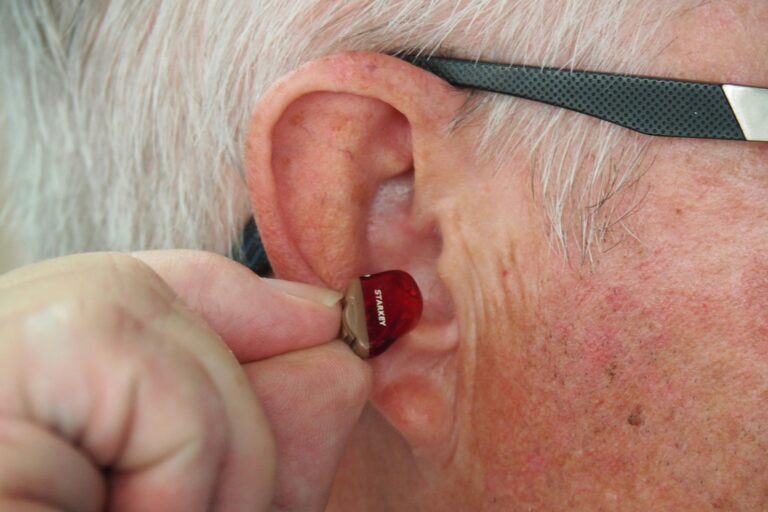
- Action: Schedule an annual hearing check. If loss is detected, get fitted for hearing aids to reduce the stress of listening and improve your engagement.
Conclusion
The choice to smoke or drink excessively is personal, but the consequences on your hearing are undeniable. Smoking and Alcohol Effects on Senior Hearing are powerful, long-term, and potentially irreversible.
However, the power to improve your hearing health is largely in your hands. By reducing or eliminating these habits, you are making a powerful commitment to your future. You deserve to hear the world clearly—the laughter of your family, the quiet conversation with your spouse, and the peaceful sounds of nature. Take control today and choose a louder, healthier tomorrow.
Ready to safeguard your hearing?
- [Download our Free “Healthy Hearing” checklist] to track your progress.
- [Check our Top Recommended range of modern hearing aids], designed to restore clarity after years of vascular stress.