Supplements for Senior Hearing Health: The Powerful Truth Explained
“I think my hearing is fine; it’s just that everyone else is mumbling!” Have you ever found yourself saying that with a wink? While we often joke about “selective hearing” as we age, the reality is that maintaining our auditory health is one of the most important things we can do for our independence. Our ears aren’t just for listening to music or the evening news; they are our primary link to our loved ones and a vital guard for our safety.
In the United States, nearly two-thirds of adults over age 70 experience some level of hearing loss. As we look for ways to stay sharp, many of us wonder: can a pill really help? The world of supplements for senior hearing health is filled with big promises and confusing labels. Some claim to “restore” hearing overnight, while others focus on long-term protection.
The truth is somewhere in the middle. While no supplement can magically reverse permanent nerve damage, the right vitamins and supplements for hearing loss in seniors can act like “armor” for your ears. In this guide, we will separate the myths from the facts and explain the natural supplements to support hearing health in older adults that are actually backed by science.
Do Hearing Supplements Work for Seniors? The Biological Reality
Before we look at specific bottles on the shelf, we have to understand what we are trying to fix. Most age-related hearing loss, known as Presbycusis, happens because the tiny “hair cells” in our inner ear (the cochlea) become damaged. Think of these hair cells like blades of grass in a field. If a tractor (loud noise or aging) drives over them once, they might pop back up. If it happens every day for 70 years, they eventually stay flat.
When people ask, “Do hearing supplements work for seniors?”, the answer depends on your goal. Supplements cannot stand those “blades of grass” back up once they are gone. However, they can:
- Reduce Oxidative Stress: Think of this as “rust” that forms on your cells. Antioxidants act as a rust-proofer.
- Improve Circulation: Your inner ear is tiny and requires a massive amount of blood flow to work. Some supplements keep those “pipes” clear.
- Protect the Auditory Nerve: Vitamins help maintain the electrical wiring that sends sound from your ear to your brain.
If you’re noticing a decline in your hearing clarity, read this to see if it’s time for a professional check-up.
The Best Supplements for Senior Hearing Health: Top 5 Contenders
In the U.S., the FDA does not regulate supplements the same way it does prescription drugs. This is why it is vital to stick to ingredients that have undergone clinical study. Here are the best supplements for senior hearing health based on recent nutritional research.
1. Folic Acid (Vitamin B9): The Nerve Protector
Folate is perhaps the most well-studied vitamin when it comes to aging ears. A landmark study followed thousands of men over 60 and found that those with high folate intake had a 20% lower risk of hearing loss.
- How it works: It helps lower levels of homocysteine, a compound that can restrict blood flow to the ear.
- Daily Habit: You can find this in leafy greens, but for seniors, a supplement ensures you hit the target levels that food alone might miss.
2. Magnesium: The “Noise Shield”
Magnesium is a mineral that acts as a protective barrier. In U.S. military studies, soldiers who were given magnesium supplements before being exposed to loud noises had significantly less hearing damage than those who weren’t.
- The Truth: Magnesium helps prevent the blood vessels in your ear from “clamping down” when things get too loud.
- To learn more about how to use physical protection alongside minerals, see our post on How to Protect Your Remaining Hearing as a Senior.
3. Zinc: The Tinnitus Warrior
If you deal with a constant ringing, buzzing, or hissing in your ears (Tinnitus), zinc might be your best friend. The inner ear has the highest concentration of zinc in the entire body.
- The Benefit: Zinc supports the immune system and helps with “sudden” hearing loss recovery. Some seniors find that zinc supplements noticeably reduce the volume of their ear ringing.
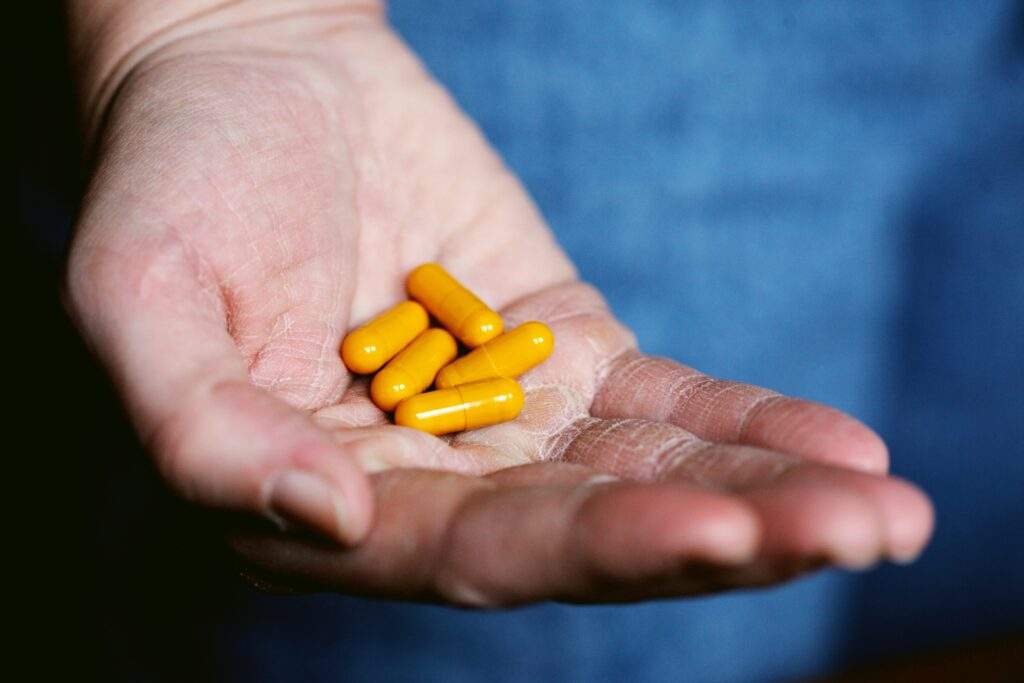
4. Omega-3 Fatty Acids (Fish Oil): The Circulation Booster
Your ears need a constant supply of oxygen. Omega-3s, commonly found in fish oil, keep your blood “slippery” and your vessels flexible.
- The Stat: Research from the American Journal of Clinical Nutrition found that eating two servings of fish a week reduced the risk of hearing loss by 42% in older women. A high-quality supplement can provide these same benefits.
- We recommend this Pure Omega-3 Fish Oil for its high concentration of DHA and EPA, which are the specific fats your ears crave.
5. Vitamins A, C, and E: The Antioxidant Trio
These are the “anti-rust” vitamins. When they are taken together, they work in synergy to fight off free radicals – the unstable molecules that damage your hearing over time.
| Supplement | Best Known For | Common Food Source |
| Magnesium | Noise protection | Spinach, Almonds |
| Folic Acid | Blood flow | Asparagus, Beans |
| Vitamin C | Reducing cell “rust” | Oranges, Bell Peppers |
| Vitamin D | Strengthening ear bones | Sunlight, Fatty Fish |
Daily Routines to Protect Hearing as You Age
While supplements for senior hearing health are powerful, they work best when combined with healthy lifestyle choices. Your body is a machine, and if you provide the right fuel while keeping the parts clean, you’ll hear better for longer.
Manage Your Blood Pressure
High blood pressure “beats up” the delicate vessels in your ears. Keeping your heart healthy is one of the best ways to protect your hearing as you age.
- Did you know there is a direct link between heart health and hearing? Read High Blood Pressure & Hearing Loss to understand it better.
Watch for “Ototoxicity”
Some common medications- even over-the-counter ones like high-dose aspirin – can be “ototoxic,” meaning they are toxic to the ears. Always ask your pharmacist if a new prescription could interfere with your hearing or your supplements for senior hearing health.
Pro Tip: If you decide to try a supplement, give it at least 90 days. Nutritional changes in the ear happen slowly, like a garden growing, not like a light switch turning on.
Best Practices and Recommendations for Seniors
Taking supplements shouldn’t be a guessing game. Follow these tips to ensure you are being safe and effective.
1. Talk to Your Doctor First
This is the “Critical Truth” you must know. Supplements can interact with your existing medications.
- Example: Vitamin E and Ginkgo Biloba can thin your blood. If you are already on a blood thinner like Warfarin (Coumadin), adding these could be dangerous.
- Action: Take your list of vitamins and supplements for hearing loss in seniors to your next primary care visit.
2. Look for “Third-Party” Testing
Since the FDA doesn’t verify the contents of every bottle, look for labels like USP or NSF. These icons mean a private lab has tested the bottle to ensure that what is on the label is actually inside the pill.
- If you’re looking for a one-stop shop, consider this Senior-Specific Multi-Vitamin, which contains the exact ratios of Zinc, Folate, and Magnesium recommended for auditory support.
3. Don’t Skip the Audiologist
Supplements are a support tool, not a replacement for medical care. If you are having trouble hearing, a supplement won’t tell you if you have a simple earwax blockage or a treatable medical condition.
- Nervous about your first visit? Check out What to Expect in an Audiologist Appointment to put your mind at ease.
The powerful truth about supplements for senior hearing health is that while they aren’t “miracle cures,” they are essential building blocks. By focusing on natural supplements to support hearing health in older adults – like Folic Acid for your nerves and Magnesium for noise protection – you are giving your ears the best possible chance to stay healthy.
Combine these supplements with a healthy diet and regular hearing check-ups, and you’ll find that the world doesn’t have to stay “muffled.” You have the power to protect your connection to the people and sounds you love.