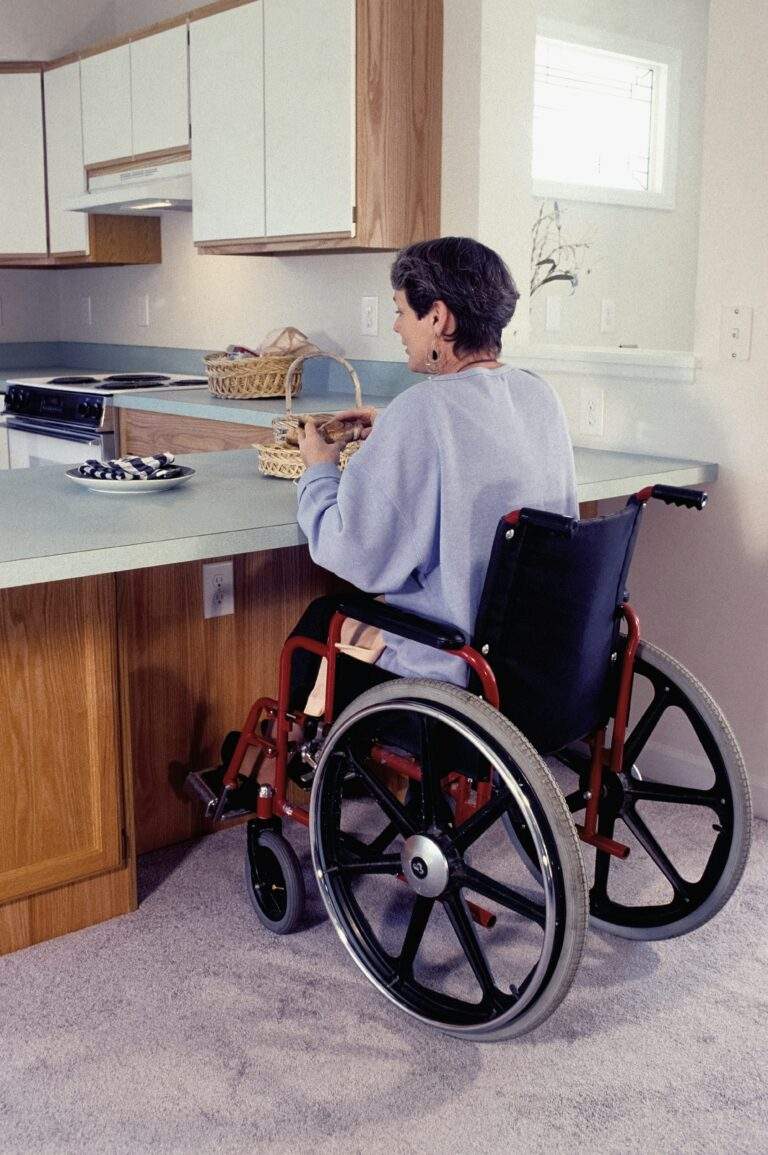
She had lived in that house for 43 years. Raised three children in it. Her daughter flew in from Atlanta after the fall – just a minor one, nothing broken – and within three days, the conversation had turned to “assisted living options.” Nobody asked what Mom wanted. Nobody asked whether the bathroom grab bar she’d been meaning to install might have prevented the whole thing. She sat in her own kitchen while her children talked about her future as if she’d already left the room.
If that scene feels familiar, whether you’re the parent or the adult child, this guide is for you.
Aging in place is one of the most important decisions you’ll make as you grow older, and it deserves far better than a crisis-driven conversation. By the time you finish reading this guide, you’ll know exactly what aging in place means and whether it’s right for your situation, what your home, your finances, and your support system need to look like, and the specific steps to take – starting this week – to make staying home not just a wish, but a plan.
What Is Aging in Place?
The phrase sounds simple enough. But “aging in place” means something more specific, and more hopeful than just staying put.
The Centers for Disease Control and Prevention (CDC) defines aging in place as “the ability to live in one’s own home and community safely, independently, and comfortably, regardless of age, income, or ability level.”
Read that last part again: regardless of age, income, or ability level. Aging in place is not reserved for the healthy and the wealthy. It is a goal that is achievable with the right knowledge and planning for the vast majority of older Americans.
In practice, aging in place means structuring your home, your health care, your finances, and your support system so that your house continues to work for you as your needs evolve. It’s not about pretending you’ll never need help. It’s about building a life in which getting help doesn’t require leaving everything behind.
A Brief History Worth Knowing
For most of human history, people grew old at home, surrounded by family, known to their neighbors, embedded in their communities. The nursing home, as Americans know it today, is largely a 20th-century invention. By the 1970s, institutional care had become the default path for older adults who needed significant help.
But by the 1980s, researchers, advocates, and older people themselves began pushing back. They documented what many already knew: that being removed from a familiar home and community could cause genuine harm to a person’s emotional and cognitive health, even when the physical care they received was excellent. The aging in place movement grew directly from that insight.
Today, aging in place is a serious field encompassing home design, assistive technology, geriatric care management, financial planning, and public policy. It is supported by federal programs, local governments, and a growing industry of professionals and services dedicated to helping older adults live where they choose.
The Philosophy Behind It
At its core, aging at home is about three things: dignity, autonomy, and belonging. It reflects the belief that getting older does not diminish your right to decide where and how you live to remain connected to the home, neighborhood, and relationships that give your life meaning.
That is not a small thing. It is, for most people, everything.
Who Chooses to Age in Place and Why
You are in very good company.
According to AARP’s 2024 Home and Community Preferences Survey, approximately 77% of adults age 50 and older want to remain in their current homes for the long term. Among adults 65 and older, that preference is even stronger. Yet the same research consistently shows that a fraction of those same people have done meaningful planning to make it possible.
That gap between wanting to stay home and actually planning to do so is exactly what this guide is designed to close.
Who Ages in Place?
Aging in place is not a single profile. The people who do it successfully include:
- Active, healthy seniors in their 60s and 70s who simply want to stay where they feel at home
- Seniors managing chronic conditions such as arthritis, diabetes, or heart disease, with in-home health support
- People with mobility limitations who have modified their homes to stay safe and accessible
- Widowed individuals living alone who value independence above all else
- Couples determined to grow old together in the home they’ve shared for decades
- Seniors in rural communities where moving to a facility would mean severing ties with the only community they’ve ever known
Why Do They Choose It?
When researchers ask older Americans why they want to stay home, the answers are consistent and deeply human.
Emotional connection tops the list. Your home holds your history, the walls, the garden, the neighborhood, the neighbors. These are not sentimental extras. Research published in the Gerontologist consistently links residential continuity to psychological wellbeing and sense of self.
Independence comes next. Being in your own home means making your own choices about your day, your meals, your visitors, and your routines. That autonomy is not a luxury. It is a health resource.
Familiarity and safety matter especially for people experiencing cognitive changes. For someone with early dementia, a familiar environment is often genuinely safer and far less disorienting than a new one.
Cost is a real factor. While aging in place involves expenses, it frequently costs less than a care facility. The national median cost of assisted living was approximately $4,500–$5,500 per month in 2024. In-home care, especially at modest levels of support, can cost considerably less.
And finally, quality of life. Study after study shows that older adults who age in place report higher happiness, lower depression rates, and better health outcomes than peers in institutional settings when aging in place is properly supported.
The 7 Core Pillars of Successful Aging in Place
Here is the truth that most articles on this topic miss: aging in place is not just about your house. It is a whole-life plan.
People who age in place successfully – for decades, not just a few years – have typically built strength across all seven of these areas. People who struggle usually have gaps in one or more of them. Think of this as your framework.
Pillar 1: Home Safety and Accessibility
Your home needs to be physically safe and navigable at every stage of your life. This means addressing fall hazards, ensuring you can move through every room with ease, and making modifications before a crisis forces the issue. This is the most visible part of aging-in-place planning and the part most people think of first.
Pillar 2: Healthcare and Medical Management
Aging in place requires a reliable system for managing your health: consistent relationships with your doctors, organized medication management, chronic disease monitoring, and access to specialists when needed. Telehealth has made this more accessible than it has ever been.
Pillar 3: Support Services
Nobody ages in place truly alone, and nobody should have to. A strong support system, whether family, friends, professional caregivers, or community programs, is not a backup plan. It is part of the plan from the beginning.
Pillar 4: Social Connection
Isolation is one of the leading health risks for older adults, as damaging, according to the U.S. Surgeon General’s 2023 advisory, as smoking 15 cigarettes a day. Maintaining meaningful social connections is not a lifestyle bonus. It is a health imperative.
Pillar 5: Technology
From medical alert systems to smart home devices to telehealth platforms, technology has become one of the most powerful and underused enablers of aging in place. Today’s tools are more accessible, more affordable, and easier to use than most people expect.
Pillar 6: Financial Security
Aging in place requires financial planning: understanding your Medicare benefits, budgeting for home modifications and care, exploring assistance programs, and planning for the possibility that your care needs will increase over time.
Pillar 7: Legal and Future Planning
Advance directives, powers of attorney, and living wills aren’t morbid subjects. They are among the most loving and responsible things you can do for yourself and for the people who care about you. And they need to exist before a health crisis, not during one.

Is Aging in Place Right for You? A Realistic Self-Assessment
Aging in place is the right choice for most people. But “most people” is not “all people,” and even those for whom it’s clearly the right choice need to approach it with honest self-reflection. Here are the questions worth sitting with.
About Your Health
- Do you have chronic conditions that are currently being managed well? Could they continue to be managed at home?
- Has your doctor expressed any concerns about your living situation?
- Have you had a fall in the past year, or do you feel unsteady on your feet?
- Are you noticing any changes in memory or cognition that might affect your safety at home?
About Your Home
- Can you access a bedroom and full bathroom without stairs?
- Are there obvious hazards – loose rugs, poor lighting, a bathroom without grab bars?
- Is your home in a location where you can access services, groceries, and medical care?
- Is the home in good physical condition, or are there deferred maintenance issues?
About Your Support System
- Do you have family or friends nearby who can help in an emergency?
- Are you open to having a professional caregiver come into your home?
- Are you connected to community organizations or programs that provide support?
About Your Finances
- Could you afford home modifications if needed?
- Do you have a realistic plan for paying for in-home care if your needs increase?
- Do you know what programs and benefits are available to you?
About Your Preferences
- Is staying in your home deeply important to you, not just a default?
- Have you talked to your family openly about your wishes?
There are no wrong answers here. The point is not to qualify for aging in place but to understand where your planning needs to start. Most people discover that with honest assessment and some targeted preparation, staying home is entirely feasible.
Your Home: What Needs to Change
Most homes were built for young families, not older adults. Narrow doorways. Tubs you have to climb over. Stairs between you and the bathroom. Outlets that require bending to reach. None of this was designed to be hostile – it simply wasn’t designed with aging in mind.
The good news: homes can be adapted. Often more affordably, and with less disruption, than people expect.
The Bathroom: Start Here
The bathroom is where the majority of home falls occur. It deserves your first attention.
Priority modifications include:
- Grab bars beside the toilet and inside the shower or tub – professionally installed and anchored to studs, not just drywall
- A walk-in shower or walk-in tub replacing a step-over design
- A handheld showerhead and a fold-down shower seat
- Non-slip flooring or adhesive treads in the tub and on bathroom tile
- Lever-style faucet handles replacing round knobs
- A raised toilet seat if rising from a standard-height toilet is difficult
- Adequate lighting, including a nightlight for nighttime trips
The Bedroom
- A bed at the right height – you should be able to sit on the edge with your feet flat on the floor and stand without straining
- A clear, unobstructed path to the bathroom, free of furniture or cords
- Reachable lighting so you never have to walk in the dark to find a switch
- A telephone, tablet, or medical alert device within arm’s reach of the bed
The Kitchen
- Pull-out shelving and Lazy Susans to eliminate deep-reach hazards
- Lever-style faucets and easy-grip cabinet hardware
- Good task lighting over work surfaces
- Frequently used items stored at counter level – not above the shoulder or below the knee
Stairs, Entries, and Throughout the Home
- Grab rails on both sides of every staircase
- A zero-step entry or threshold ramp at exterior doors
- Secured or removed loose area rugs – they are among the single greatest fall hazards in the home
- Lever-style door handles replacing round knobs throughout
- Adequate lighting in every room, hallway, and on stairs
Should You Get a Professional Home Assessment?
A licensed occupational therapist (OT) can evaluate your home in the context of your specific physical abilities, something a generic checklist cannot do. An OT assessment identifies the modifications that matter most for you, prioritizes them, and can connect you with contractors who specialize in aging-in-place work. Ask your primary care physician for a referral, or contact your local Area Agency on Aging.
For a complete room-by-room breakdown of modifications, costs, and what to prioritize first, see our full guide: [Home Modifications for Aging in Place: What to Do, What It Costs, and Where to Start].
Technology That Makes Aging in Place Possible
If you or someone you love has been hesitant about technology, now is a good time to take another look. The devices designed to support independent living for seniors have changed dramatically; they are simpler, more reliable, and more effective than most people realize.
Medical Alert Systems
A personal emergency response system (PERS) – sometimes called a medical alert system – lets you call for help with the press of a button if you fall or experience a medical emergency. Modern systems are far more capable than the device in the old commercial:
- Wearable options — pendants, wristbands, and smartwatch-style devices
- GPS-enabled devices that work outside the home, not just inside it
- Automatic fall detection that alerts a monitoring center even if you cannot press the button
- Two-way communication that connects you directly to a trained emergency dispatcher
Medical alert systems typically run between $20 and $60 per month, depending on features. For most seniors living alone, this is among the highest-value, lowest-cost investments available. For in-depth reviews and comparisons of today’s best options, see our guide: [Best Medical Alert Systems of 2026: Reviewed and Compared].
Smart Home Technology
Smart home devices add a layer of safety and convenience that many older adults find genuinely life-changing:
- Voice-activated smart speakers (Amazon Echo, Google Home) allow you to set medication reminders, make phone calls, control lights, and get information without touching a screen
- Smart thermostats maintain comfortable temperatures and can be adjusted remotely by family members
- Smart door locks allow you or a family member to lock and unlock the door remotely
- Automatic night lighting illuminates paths to the bathroom without requiring you to find a switch in the dark
Telehealth
Telehealth – seeing your doctor via secure video call – has expanded enormously since 2020 and is now a mainstream option for most routine care. For seniors with limited mobility, no longer driving, or living in areas with limited specialist access, telehealth is not a compromise. It is often a superior option.
Medicare now covers a wide range of telehealth services. The specific coverage depends on your Medicare plan, so contact Medicare directly to understand your benefits.
Medication Management Tools
Medication errors are among the most preventable causes of hospitalization among older adults. Automated pill dispensers, smart medication organizers, and reminder apps can ensure the right medications are taken at the right time and can alert family members or caregivers if a dose is missed.
Remote Monitoring and Safety Technology
For family members who worry about a loved one living alone, remote monitoring technology provides real peace of mind with the person’s full knowledge and consent:
- Motion sensor systems track daily activity patterns and alert family if the pattern changes unexpectedly
- Smart stove shut-off devices reduce the risk of kitchen fires
- Video doorbells let you see and speak to visitors without opening the door
A note that matters: these technologies should always be installed with the explicit agreement of the person being monitored. Surveillance without consent, even by a loving family, damages trust and dignity. The goal is safety and connection, not control.
Download Your Free Aging in Place Checklist
Before you go any further, take two minutes to grab this free resource.
We’ve put together a comprehensive Aging in Place Planning Checklist that walks you through every area covered in this guide – home safety, legal documents, financial planning, support services, and technology – in a clear, room-by-room, section-by-section format. It’s designed to be used in an afternoon with a family member or on your own over a cup of coffee.
Ten minutes with this checklist will give you a clear picture of where you stand, what’s already in good shape, and exactly what needs attention.
Building Your Support System: Care, Community, and Services
The third pillar of aging in place planning is the one most people put off thinking about: who will help you?
The honest answer is that nobody ages in place alone. The most successful aging-in-place stories involve a deliberate, thoughtful network of support assembled in advance, not scrambled together after a crisis.
Family and Friends: The Foundation
For most older Americans, family provides the foundation of support to help with transportation, errands, medical appointments, home maintenance, and companionship. That’s real and valuable.
But depending entirely on family is neither fair to them nor reliable for you. Caregivers who are not supported burn out. Family members who live far away cannot provide day-to-day assistance. Having an honest conversation with family about what they can realistically offer, rather than what you hope they can offer, is one of the most important things you can do.
In-Home Care Services: What’s Available
Professional in-home care comes in several levels:
Companion Care covers non-medical support: housekeeping, grocery shopping, meal preparation, errands, and friendly companionship. This level of care is appropriate for seniors who are physically well but benefit from regular help and human connection.
Personal Care (Home Health Aides) provides hands-on assistance with activities of daily living (ADLs) like bathing, dressing, grooming, toileting, and mobility. A home health aide (HHA) has completed state-approved training and can provide this care under supervision.
Skilled Home Health Care involves medical services like nursing, physical therapy, occupational therapy, speech therapy delivered at home. This is typically prescribed by a doctor following a hospitalization or a significant health event and is covered by Medicare under specific conditions.
Hospice Care at Home is specialized end-of-life care delivered in the home, focused on comfort, dignity, pain management, and support for both the patient and their family. It is fully covered by Medicare.
To learn how to find, screen, and hire a trustworthy in-home caregiver, see our full guide: [How to Find and Hire a Home Caregiver: A Step-by-Step Guide ].
Community Programs and Services
Your community almost certainly has more resources than you realize. Many of them are free or very low cost.
- Area Agencies on Aging (AAAs): Federally mandated, locally operated organizations that connect older adults with meals, transportation, caregiver support, legal assistance, home modification programs, and more.
- Meals on Wheels: Home-delivered meals available in nearly every U.S. community – often sliding-scale or free
- Senior Centers: Social activities, fitness classes, health screenings, and referrals to local services
- Medical Transportation Programs: Many communities fund transportation specifically for seniors who no longer drive
- Adult Day Programs: Structured daytime programs providing social engagement and supervised activities — often an excellent option for seniors who would otherwise be alone for long hours
If you’re helping a parent navigate this, calling your local AAA is genuinely the best single first step you can take. They know what’s available in that specific community better than any website can tell you.

The Financial Side of Aging in Place
Let’s be direct about the financial picture, the real costs, the real coverage, and the real options.
What Does Aging in Place Actually Cost?
The honest answer is: it varies. And it changes over time as your needs evolve.
Rough cost ranges:
- Minor home modifications (grab bars, lighting, trip hazard removal): $500–$3,000
- Major home modifications (walk-in shower, ramp installation, doorway widening): $5,000–$25,000+
- Companion or personal care: $25–$35 per hour depending on location; full-time live-in care: $6,000–$12,000 per month
- Medical alert system: $20–$60/month
- Additional services (housekeeping, lawn care, transportation): widely variable
Compared to the median assisted living cost of $4,500–$5,500 per month, aging in place at modest levels of support is almost always less expensive. At high levels of care – 24-hour supervision – the costs can be comparable or higher.
Who Pays for Aging in Place?
Medicare covers skilled home health care – nursing, therapy – when ordered by a physician and when the patient meets “homebound” criteria. It does not cover ongoing custodial care (help with bathing, dressing, meals) unless skilled care is also being provided. Review your specific plan, as Medicare Advantage (Part C) plans vary considerably in their home support benefits.
Medicaid is the primary payer for long-term in-home care for seniors with limited income and assets. Most states have Medicaid Home and Community Based Services (HCBS) waiver programs that fund in-home care as an alternative to nursing home placement. Eligibility rules vary by state. Your local AAA can help you navigate the application.
Veterans Benefits: If you served in the U.S. military or are the surviving spouse of a veteran, you may qualify for significant assistance through the Department of Veterans Affairs (VA), including the Aid and Attendance benefit, which provides monthly cash payments to help cover in-home care costs.
Long-Term Care Insurance: If you purchased a long-term care insurance policy, review it carefully. Many policies cover in-home care, adult day programs, and home modifications. Contact your insurer directly to understand your specific benefits.
Home Equity: Many older homeowners have significant equity they can draw on through a reverse mortgage (HECM), a home equity line of credit (HELOC), or by downsizing to a more accessible home and using the difference to fund care. Each of these options has real tradeoffs. A financial advisor who specializes in elder care can help you think them through.
State and Local Programs: Many states, counties, and cities operate programs to help seniors fund modifications and access services, often with no income requirement or with generous thresholds. Start at your local AAA.
For a complete breakdown of every funding option available for aging in place, including how to apply for Medicaid waiver programs and what Medicare actually covers, see our full guide: [How to Pay for Aging in Place: Medicare, Medicaid, and More].
Planning Ahead: The Documents and Conversations You Need Now
This is the section most people skip. It’s also the one that matters most when something goes wrong.
The Four Documents Every Senior Needs
1. Advance Healthcare Directive / Living Will. This document states your wishes for medical treatment if you become unable to speak for yourself, whether you want life-sustaining treatment under specific circumstances, your preferences around pain management, and your wishes regarding resuscitation. Without one, these decisions fall to whoever is present and to medical default protocols.
2. Healthcare Power of Attorney (Healthcare Proxy) This designates a specific person to make medical decisions on your behalf if you are incapacitated. The person you designate should know your values, understand your wishes, and be someone you trust to advocate clearly and calmly under pressure. This is not the same as a general power of attorney.
3. Durable Financial Power of Attorney This authorizes a trusted person to manage your financial affairs – paying bills, managing accounts, making financial decisions – if you can no longer do so. Without this document, your family may be forced to pursue legal guardianship or conservatorship, which is costly, time-consuming, and entirely avoidable.
4. POLST Form (Physician Orders for Life-Sustaining Treatment) Sometimes called a MOLST or MOST, depending on your state, this is a medical order signed by your physician. It travels with you and provides legally binding guidance to emergency responders and hospital staff. It is especially important for people with serious health conditions.
The Conversations That Matter as Much as the Documents
A document sitting in a drawer that no one knows about is not a plan. It’s paper.
Talk to your family. Tell them clearly that you want to age in place, what that means to you, and how you want them to support you. Invite their concerns into the open. A calm conversation now is infinitely better than a tense one after a hospitalization.
Talk to your doctor. Be explicit about your goal of staying home. Ask them to help you identify potential future challenges. Ask whether a geriatrician – a physician who specializes in the care of older adults – might be a helpful addition to your care team.
Talk to an elder law attorney. If you don’t have the documents listed above, contact an elder law attorney in your state. This is not a DIY project; generic online forms frequently fail to meet state-specific requirements.
For a complete guide to planning documents and the conversations that should accompany them, see: [Legal and Future Planning for Seniors: The Documents That Protect Your Wishes].
Common Myths About Aging in Place – Debunked
These are the misconceptions that most commonly derail people, causing them to delay planning, pursue ineffective solutions, or underestimate what’s possible. All of them are understandable. None of them is accurate.
Myth 1: “Aging in place means being completely on your own.” Reality: The most successful aging-in-place arrangements involve robust support networks that include family, professional caregivers, community programs, and technology. Aging in place is about choosing where you live, not refusing all help.
Myth 2: “My home is fine as it is.” Reality: Most homes have meaningful safety hazards that go unnoticed until a fall makes them visible. A loose rug, a step-over tub, poor lighting in the hallway at 2 a.m., these are not minor. A simple home safety assessment, done now, can prevent a hospitalization later.
Myth 3: “This is only realistic if you’re wealthy.” Reality: Many of the most impactful modifications, like grab bars, better lighting, and removing throw rugs, cost very little. Federal, state, local, and nonprofit programs exist specifically to help lower-income seniors access modifications and services. Aging in place is not a luxury product.
Myth 4: “If I need a lot of care, I’ll have to move to a facility.” Reality: Many people with significant and even complex care needs, including those with Parkinson’s disease, post-stroke conditions, and early to moderate dementia, successfully age in place with the right professional in-home support.
Myth 5: “I can figure this out later, when the time comes.” Reality: Planning during a crisis is the hardest, most expensive, and most emotionally fraught way to do it. Decisions made under pressure, like after a fall, a hospitalization, or a sudden cognitive change, are almost never as good as decisions made calmly in advance.
Myth 6: “Technology is too complicated for me.” Reality: Voice-activated smart speakers require no typing or screen navigation. Medical alert systems operate with a single button press. Many tablet applications are specifically designed for older adults. The barrier to entry for aging-in-place technology has never been lower, and most people who try it are glad they did.
Aging in Place vs. Assisted Living: An Honest Comparison
This comparison deserves honesty, not advocacy. Both options serve real needs. The right choice depends on your specific situation, your preferences, and your honest assessment of what support you require.
What Assisted Living Provides
Assisted living communities are residential facilities where older adults live in private or semi-private apartments and receive help with daily activities, meals, medication management, and social programming. They are not nursing homes, as most residents do not require skilled nursing care, but they do offer staff available around the clock.
Side-by-Side Comparison
| Factor | Assisted Living | Aging in Place |
|---|---|---|
| Cost | $5,300–$5,900 per month nationally, with significant regional variation. | Highly variable. Modest at low care levels, but can become comparable to or exceed assisted living at higher care levels. |
| Independence | Communities try to preserve autonomy, but house rules and shared spaces are part of the environment. | Generally offers more control over daily schedule, meals, and personal environment. |
| Safety | Staffed environments can offer a safety advantage for people with advanced cognitive decline or high fall risk. | A well-modified home with appropriate support can be just as safe for many individuals. |
| Social Connection | Strong advantage due to built-in programming, communal dining, and a peer community. | Requires intentional effort to maintain social connections; it does not happen automatically. |
| Familiarity & Emotional Wellbeing | Moving away from familiar surroundings may be emotionally challenging for some people. | Strong advantage — staying in a familiar home with personal belongings, memories, and routines can significantly support emotional wellbeing. |
| Family Peace of Mind | Some families feel reassured knowing their loved one is in a supervised setting. | Others feel better knowing their loved one is at home with personalized support. Both perspectives are valid. |
The Honest Bottom Line
Neither option is universally superior. Many people age in place successfully for years or decades and then transition to assisted living when needs increase beyond what home care can reasonably address. Having a plan for both, including knowing what circumstances would prompt a transition, is a sign of excellent planning, not failure.
A Step-by-Step Action Plan for Getting Started
You’ve covered a lot of ground. Here is how to turn it into action.
Step 1: Have the Conversation
If you haven’t already talked openly with family about your wish to age in place, start there. Acknowledge their concerns. Share this guide. Invite them into the planning process rather than around it.
Step 2: Conduct an Honest Self-Assessment
Work through the questions in the self-assessment section of this guide. Be as candid as you can with yourself and with your family. Identify the areas where your plan is already strong and those that need development.
Step 3: Get a Home Safety Evaluation
Download our free Aging in Place Checklist and work through it room by room. Or schedule a home visit with a licensed occupational therapist for a personalized assessment. Identify and prioritize the modifications that matter most.
Step 4: Make Your Priority Modifications
Start with the highest-safety, highest-impact changes first. Grab bars in the bathroom. Removal of loose rugs. Improved lighting. These are inexpensive, immediately impactful, and frankly long overdue in most homes.
Step 5: Get Your Legal Documents in Order
If you don’t have an advance directive, healthcare power of attorney, and durable financial power of attorney, contact an elder law attorney this month. This step cannot wait.
Step 6: Review Your Financial Picture
Understand what you have, what aging in place could cost, and how you’ll fund it. Contact Medicare, your VA benefits coordinator if applicable, and your local AAA for a benefits checkup. If you have a financial advisor, bring aging-in-place costs explicitly into that conversation.
Step 7: Build Your Support Network
Identify who is in your corner. Talk honestly with family about roles. Research local home care agencies and community programs. Connect with your local AAA.
Step 8: Explore Technology
At a minimum, seriously consider a medical alert system. From there, explore the technology options that best match your lifestyle and your family’s concerns. Start simple and add as needed.
Step 9: Write It Down and Share It
A plan that lives only in your head is not a plan. Write down your key decisions, your support contacts, your medical information, and your wishes. Share it with your family, your doctor, and whoever holds your power of attorney. Review it every year.
Step 10: Stay Connected
Join a senior center. Get to know your neighbors. Stay active in your faith community or other social networks. Social connection is not the reward for completing your aging-in-place plan. It is part of the plan itself.
Frequently Asked Questions
A Final Word
There are four things worth carrying with you from this guide.
First: aging in place is a plan, not a default. The people who do it best are the people who have prepared for it.
Second: your home can be made safe. Most of the changes that matter most are neither complicated nor expensive, they just need to happen before you need them.
Third: you do not have to do this alone. The right support, such as family, professional, community, and technological, makes all the difference. Finding it is a sign of wisdom, not weakness.
Fourth: the time to act is now, not later. Before a fall. Before a diagnosis. Before a crisis removes the choices from your hands.
Your next step: Download our free Aging in Place Planning Checklist and spend one afternoon going through it. Identify the two or three things that need your attention most. Then start there.
You don’t have to solve everything today. You just have to begin.
Your home holds your history. It can hold your future too. You just need a plan, and now you have one.
On This Site – Your Next Reads
- [Home Modifications for Aging in Place ] – The complete guide to adapting your home safely
- [Best Medical Alert Systems Reviewed ] – How to choose the right system for your situation
- [How to Find and Hire a Home Caregiver ] – A practical guide to navigating in-home care
- [How to Pay for Aging in Place] – Medicare, Medicaid, veterans benefits, and more
- [Legal Planning Documents Every Senior Needs] – Advance directives, powers of attorney, and the conversations that go with them