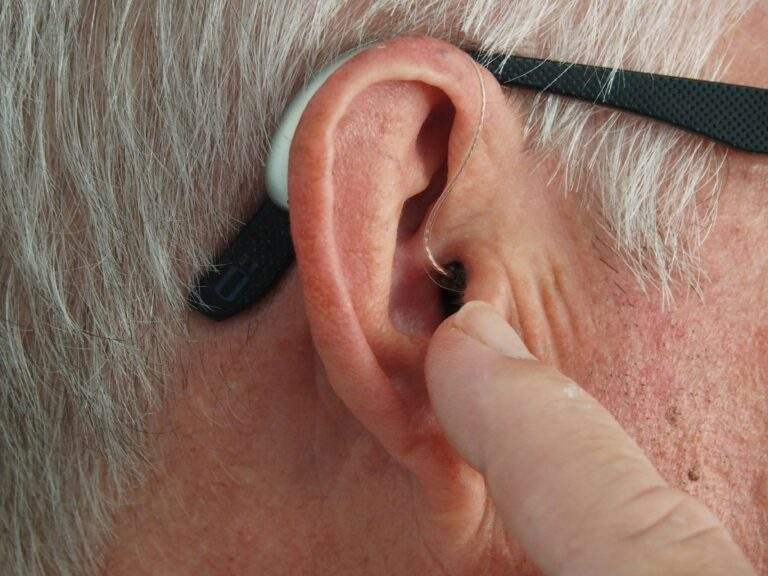
Have you ever noticed how a favorite song can instantly transport you back to your youth? Or how the sound of a loved one’s laughter can brighten even the dimmest day? Our hearing is one of our most precious links to the world around us. Yet, for many of us over the age of 60, that link can start to feel a little frayed. We might find ourselves leaning in closer during conversations or asking friends to repeat themselves more often than we’d like.
By adopting daily habits to improve your hearing health, you can sharpen your focus, protect your ears from further decline, and keep your brain engaged, and the good news is that hearing health isn’t just about the genes you were born with or the loud concerts of your younger years. It is heavily influenced by the small, consistent choices you make every single day.
In the United States, roughly 48 million people experience some degree of hearing loss. While age-related changes are natural, they don’t have to be inevitable. This guide will walk you through the best habits for long-term hearing health and show you how to improve hearing health naturally through simple, life-changing routines.
The Connection Between Daily Routine and Auditory Clarity
When we think of health routines, we usually think of our hearts or our waistlines. However, your ears are delicate biological machines that require specific care. They rely on excellent circulation, physical protection, and “brain exercise” to function at their peak.
Implementing daily routines for better hearing health is one of the most effective ways to protect hearing as you age. It isn’t about a one-time fix; it’s about creating an environment where your ears can thrive. Studies have shown that seniors who are proactive about their hearing health report higher levels of happiness and lower rates of cognitive fatigue.
Daily Habits to Improve Your Hearing Health Through Nutrition
What you put on your plate has a direct impact on how well you hear. The inner ear contains tiny “hair cells” called cilia that translate sound waves into electrical signals for your brain. These cells need specific nutrients to stay healthy.
1. Fill Up on Magnesium and Potassium
Magnesium acts as a protective barrier for the hair cells in the inner ear. It helps fight off “free radicals” (unstable molecules that can damage cells) during loud noises.
- Where to find it: Dark leafy greens, almonds, and dark chocolate.
- Potassium’s Role: It regulates the fluid in your inner ear, which is vital as we age. Bananas, potatoes, and avocados are your best friends here.
2. Prioritize Omega-3 Fatty Acids
Research from the American Journal of Clinical Nutrition suggests that two servings of fish per week can significantly lower the risk of age-related hearing loss.
- The Habit: Try to incorporate salmon, tuna, or walnuts into your weekly meal plan. These healthy fats keep the blood vessels in your sensory system flexible and clear.
3. Don’t Forget Folic Acid
Folic acid (Vitamin B9) helps your body create new cell growth and keeps your circulation strong.
- The Habit: A daily bowl of fortified cereal or a side of asparagus can provide the boost you need to keep blood flowing to your ears.
If you’re curious if your current diet is enough, see our guide on How to Detect Hearing Loss at Home to check your current baseline.

Physical Habits: Keeping the “Plumbing” Clear
Your ears don’t exist in a vacuum. They are part of your cardiovascular system. Anything that is good for your heart is generally excellent for your hearing.
Moderate Daily Exercise
A study from Miami University found that people with higher levels of cardiovascular fitness had better hearing, especially at higher frequencies.
- The Routine: A 20-minute brisk walk daily improves blood flow to the cochlea (the snail-shaped part of your inner ear). This helps “feed” the ear the oxygen it needs to process sound.
The “No Q-Tip” Rule
One of the most important daily habits to improve hearing health is actually a “don’t.”
- The Habit: Never put anything smaller than your elbow in your ear.
- The Reason: Cotton swabs often push earwax deeper against the eardrum, causing temporary loss or even infections. If you feel a blockage, use an over-the-counter softening kit or see a professional.
Manage Your Blood Pressure
High blood pressure can damage the tiny, fragile blood vessels in the ear.
- The Routine: Check your blood pressure regularly.
- To see how these two issues are linked, read this
Mental Habits: Training Your Brain to Hear Better
Hearing happens in the ears, but listening happens in the brain. As we age, our “auditory processing” can get a little rusty. Use these daily routines for better hearing health to keep your mind sharp.
- Practice “Focused Listening”: Turn on the radio at a low volume and try to pick out only the lyrics of the song. Then, try to pick out only the sound of one instrument, like the drums. This trains your brain to filter out background noise.
- Read Aloud: Spend 10 minutes a day reading a book out loud to yourself or a partner. This helps your brain strengthen the connection between the sounds you hear and the words you see.
- Socialize Regularly: Conversations are the best workout for your ears. Engaging with others forces your brain to interpret tone, pitch, and speed in real-time.
If conversations are becoming a struggle, it might be time for a professional check-up. Learn What to Expect in an Audiologist Appointment.
Ways to Protect Hearing as You Age in a Noisy World
We live in a loud world, and for a senior, “noise fatigue” is real. Protecting your remaining hearing is a cornerstone of how to improve hearing health naturally.
- The “Double-Down” on Protection: If you are using a vacuum, a lawnmower, or even a loud blender, wear earplugs. These short bursts of loud noise add up over a lifetime.
- The 60/60 Rule: If you use headphones, listen at no more than 60% volume for no more than 60 minutes at a time.
- High-quality, comfortable earplugs are an essential tool for any senior. [Check out our top-rated Hearing Protection for Seniors].
Tips, Best Practices, and Recommendations
To make these daily habits to improve hearing health stick, try to bundle them with things you already do.
Weekly Checklist for Better Hearing:
- Hydrate: Drink plenty of water to keep the fluid levels in your inner ear balanced.
- Sound Breaks: Spend 15 minutes in total silence every afternoon. This allows the auditory nerve to “rest” from constant processing.
- Check Your Meds: Some medications are “ototoxic” (harmful to the ear). Ask your doctor if any of your prescriptions could be affecting your hearing.
Recommendations:
- Hearing Aid Dehumidifiers: If you wear hearing aids, moisture is your enemy. A simple drying jar can extend the life of your device and improve sound quality. (Check our favorite Hearing Aid Care Kits.)
- Amplified Telephones: These help you maintain social connections without the frustration of “What did you say?”
Improving your hearing health doesn’t require a miracle; it requires a routine. By incorporating these daily habits to improve hearing health – from eating more leafy greens to taking a daily walk and protecting yourself from noise – you are taking control of your well-being.
Remember, the goal of these daily routines for better hearing health is to keep you connected to the people and sounds you love. It is never too late to start a new habit that helps you hear the world a little more clearly.
Ready to take the next step?
- [Download our Free “Daily Hearing Health Tracker”] – A simple checklist to help you stay on track with your new habits.
- [Explore the Best OTC Hearing Aids] – If you’re ready for a little extra help, see our top picks for seniors.