Imagine you are walking through your favorite park on a crisp autumn morning. You are chatting with a friend, the sun is warm on your back, and everything feels perfect. Suddenly, you hit a small, uneven patch of grass. Your foot slips slightly, and for a split second, you feel that terrifying jolt of instability – the sense that your body doesn’t quite know where it is in space.
For many seniors, these moments of unsteadiness are becoming more frequent. We often chalk it up to “just getting older” or maybe a “trick knee.” However, a critical truth is emerging in medical research: the reason you might be stumbling isn’t just in your legs – it’s in your ears.
The connection between hearing loss and balance problems is one of the most important, yet least discussed, health issues facing Americans over 60 today. In the United States, falls are the leading cause of injury-related deaths for seniors. Understanding how your auditory system keeps you upright is not just about “better hearing”; it is a vital part of staying safe, independent, and confident in your own home.
Can Hearing Loss Cause Balance Problems in Seniors?
When we think of our ears, we naturally think of music, conversation, and the sound of the doorbell. But your ear is actually a “two-for-one” organ. It houses two distinct systems that live in the same small space of your inner ear.
The Anatomical Roommates
The inner ear contains the cochlea, which is responsible for hearing, and the vestibular system, which is responsible for balance. Because they are so closely packed together and share the same fluid and nerve pathways, what affects one often affects the other.
When age-related hearing loss (presbycusis) begins to damage the tiny hair cells in the cochlea, that damage often spills over into the vestibular department. This is why inner ear balance problems and hearing loss in elderly adults so often go hand-in-hand. If the “wiring” or the fluid levels in the ear are disrupted, your brain receives garbled signals about both the sounds around you and your body’s position.
The Auditory Anchor
Think of sound as an “auditory anchor.” When you have healthy hearing, your brain uses subtle background noises – the hum of the refrigerator, the sound of your own footsteps, or the wind in the trees – to help map out the room around you. This “spatial awareness” tells your brain exactly where you are located. When hearing fades, you lose those anchors, leaving your brain to guess where the “floor” is, which directly contributes to hearing loss and balance problems.
Why Hearing Loss Increases Fall Risk in Seniors
You might wonder, “If I can’t hear the TV, why does that make me trip over the rug?” The answer lies in how much “power” your brain has to give to different tasks.
The “Multitasking” Brain (Cognitive Load)
Our brains have a limited amount of energy. Research by scientists at Johns Hopkins University has discovered that when you have untreated hearing loss, your brain has to work incredibly hard just to decode muffled speech. It’s like running a high-powered computer program in the background of your mind at all times.
Because so much “processing power” is going toward hearing, there is less energy available for balance and gait. Walking and staying upright are actually very cognitively demanding tasks. When your brain is exhausted from trying to hear, it may react a split-second too late to a trip or a slip. This is a primary reason why hearing loss increases fall risk in seniors.
The Statistics You Need to Know
The numbers are staggering. Research has shown that:
- People with even mild hearing loss are nearly three times more likely to have a history of falling.
- For every 10 decibels of hearing loss you experience, your risk of falling increases by 1.4 times.
- Nearly 40% of Americans over 40 cannot pass a basic balance test that involves standing on foam with their eyes closed.
These aren’t just dry numbers; they represent a significant threat to senior mobility. If you find yourself avoiding social outings because you’re worried about tripping or feeling “dizzy,” it’s time to look at your hearing.
If you’re ready to see a professional about these concerns, here is What to Expect in an Audiologist Appointment to prepare you for your visit.
Signs of Balance Problems Related to Hearing Loss
Identifying the signs of balance problems related to hearing loss early can prevent a minor stumble from becoming a major medical event. It isn’t always as obvious as a fall; sometimes, the signs are much more subtle.
- Vertigo or Spinning: A sensation that the room is moving when you are sitting still.
- Unsteadiness in the Dark: Do you find yourself reaching for walls or furniture when you get up to use the bathroom at night? Without clear sight or sound, your balance system is working on “empty.”
- Staggering or Veering: Finding it difficult to walk in a perfectly straight line, especially in crowded or noisy places.
- Persistent Dizziness: A feeling of being “lightheaded” or “floaty” that doesn’t go away with a glass of water or a snack.
- The “Furniture Cruise”: If you find yourself subconsciously touching the backs of chairs or counters as you move through your house, your body is looking for the stability your ears are failing to provide.
If you recognize these symptoms, it’s a clear signal that your hearing loss and balance problems need professional attention.
Not sure if your hearing is the culprit? See how you can Detect Hearing Loss at Home by yourself.
How to Protect Your Stability: A Step-by-Step Approach
The “Hidden Truth” isn’t meant to be scary; it’s meant to be empowering. There are concrete steps you can take to manage hearing loss and balance problems and regain your confidence.
Step 1: Get a Professional Evaluation
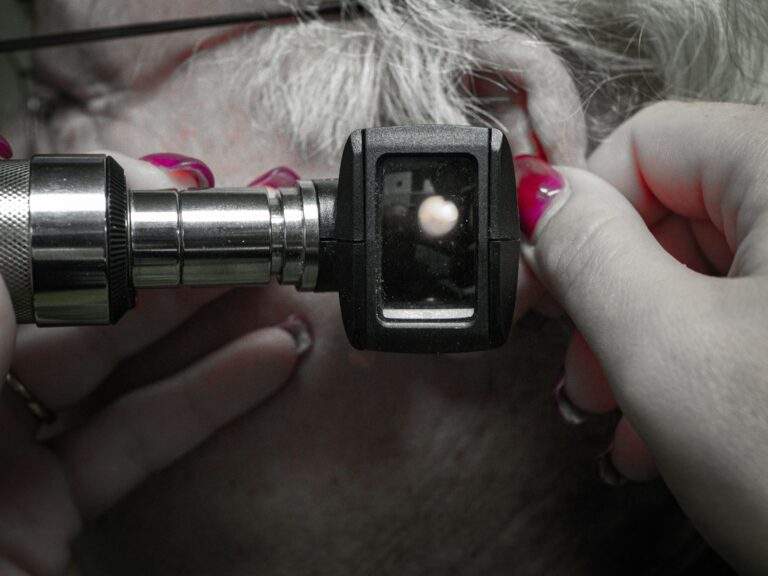
A specialized doctor called an Audiologist can test both your hearing and your vestibular (balance) function. They can determine if your dizziness is caused by a common inner ear issue like BPPV (where tiny crystals in your ear get out of place) or if it’s simply a side effect of hearing decline.
Step 2: Consider Hearing Aids as “Balance Aids”
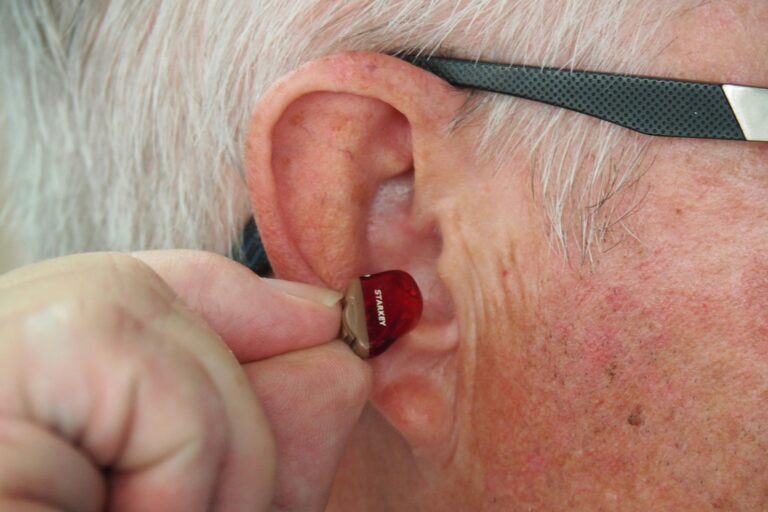
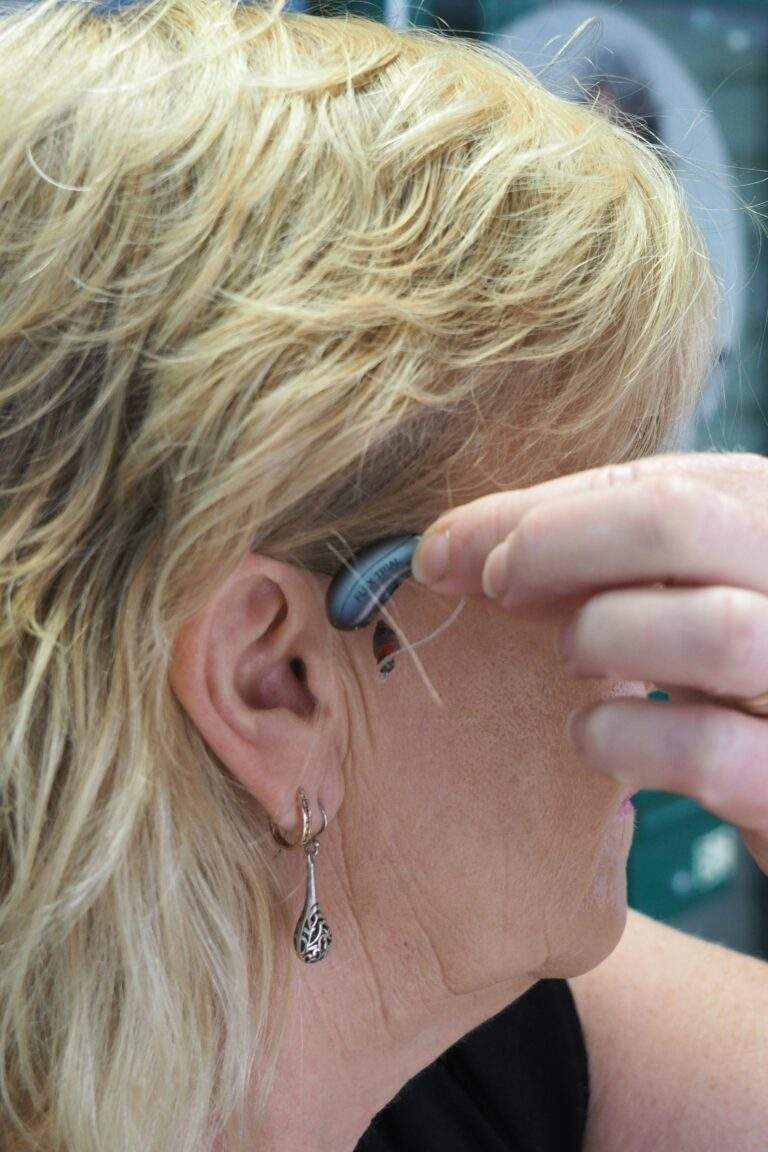
One of the most exciting findings in recent years is that hearing aids can reduce fall risk. By bringing back those “auditory anchors” and reducing the cognitive load on your brain, hearing aids free up your mental energy to focus on walking safely.
- If you have mild-to-moderate loss, consider exploring [Top-Rated Over-the-Counter (OTC) Hearing Aids for Seniors] as a budget-friendly way to improve your spatial awareness.
Step 3: Implement Balance Training
The phrase “use it or lose it” applies here. Exercises like Tai Chi or Yoga are scientifically proven to improve balance in seniors. They train your muscles and brain to work together more efficiently, compensating for any inner ear issues.
Tips and Best Practices for Senior Safety
Beyond medical intervention, your daily habits can drastically lower the impact of hearing loss and balance problems.

1. Optimize Your Environment
- Lighting is Key: Since your ears aren’t giving your brain 100% of the data it needs, your eyes have to pick up the slack. Use high-wattage bulbs and motion-sensing nightlights in hallways.
- Clear the Path: Remove throw rugs and clutter. A “hearing-impaired” brain needs a predictable path.
2. Practice “Focused Standing”
Spend two minutes a day standing with your feet together, looking at a single spot on the wall. This “resets” your visual and vestibular connection.
3. Review Your Medications
Many medications used for blood pressure or sleep can cause dizziness. When combined with hearing loss, this creates a “perfect storm” for a fall.
- For more on how health conditions interact with your ears, read this.
4. Use Supportive Gear
- If you feel particularly unsteady, don’t be afraid to use a stylish walking stick or cane. [Check out our Recommended Mobility Aids for Seniors here].
The link between hearing loss and balance problems is a hidden truth that every senior deserves to know. Your ears do so much more than listen; they are the “gyroscope” of your life. When you address your hearing loss, you aren’t just improving your ability to follow a conversation; you are investing in your ability to walk, travel, and play with your grandkids safely.
Don’t wait for a fall to take action. By understanding the connection between your inner ear and your stability, you can stay on your feet and keep moving forward with confidence.
Download our 10-minute daily balance exercise routine you can do at home.