Do you remember the sound of a morning bird chirping outside your window, or the gentle hum of a distant lawnmower on a summer afternoon? For many of us, these sounds are the backdrop of a life well-lived. However, as the years go by, you might notice that those crisp sounds are becoming a bit softer. Perhaps you find yourself turning up the volume on the evening news or asking your grandchildren to repeat themselves just a little more often.
Learning how to protect your hearing as a senior is about more than just avoiding loud noises. It is about lifestyle, nutrition, and proactive habits. In the United States, nearly 38 million adults report some trouble hearing. By focusing on protection now, you can stay engaged in conversations, enjoy your favorite music, and maintain your independence for years to come.
If you already have some degree of hearing loss, you might feel like the “damage is done.” But here is a critical truth: your remaining hearing is a precious resource. Just like you might wear glasses to protect your vision or take a walk to keep your heart strong, there are specific, effective steps you can take to preserve the hearing you still have.
Why Protecting Your “Remaining” Hearing is Vital
Many people think of hearing loss as an “all or nothing” situation. In reality, hearing exists on a spectrum. Even if you already use hearing aids, protecting your residual hearing is essential. Every decibel of hearing you keep helps your brain stay sharp and reduces the “listening effort” required to get through a normal day.
Research from organizations like the American Speech-Language-Hearing Association (ASHA) suggests that even minor further declines in hearing can increase the risk of social isolation and cognitive fatigue. When we talk about how to prevent further hearing loss in seniors, we are really talking about protecting your quality of life.
Daily Habits to Protect Your Hearing as You Age
Protection doesn’t have to be complicated. It often comes down to the small choices we make between breakfast and bedtime. Here are the most effective daily habits to protect hearing as you age:
1. Follow the “60/60 Rule”
If you enjoy listening to music or podcasts through headphones or earbuds, be mindful of the “dose.”
- The Rule: Listen at no more than 60% volume for no more than 60 minutes at a time.
- Why it works: This prevents the tiny hair cells in your inner ear from becoming overworked and permanently damaged.
2. Monitor Your Medications
Did you know some common medications are “ototoxic”? This means they can be toxic to the ear.
- The Culprits: Certain high-dose aspirins, specific antibiotics, and some loop diuretics can contribute to hearing decline.
- The Fix: Always talk to your doctor about your hearing. Check if your current medications have any known side effects that may affect your ear health.
3. Manage Your Underlying Health
Your ears rely on a steady flow of healthy, oxygenated blood.
- Diabetes and Heart Health: Conditions like high blood pressure and diabetes can damage the small blood vessels in the ear.
- If you are managing chronic health issues, read our guide on High Blood Pressure and Hearing Loss to see how they are connected.

Ways You Can Protect Your Remaining Hearing Naturally
While we cannot “reverse” age-related hearing loss (presbycusis), we can support the delicate biological structures of the ear. There are several ways seniors can protect their remaining hearing naturally through diet and lifestyle.
Eat an “Ear-Friendly” Diet
The nutrients you put on your plate can act as a shield for your ears.
- Potassium: Found in bananas, spinach, and potatoes, it helps regulate the fluid in your inner ear.
- Zinc: Found in almonds and dark chocolate, it supports the immune system and may help prevent ear infections.
- Folic Acid: Studies suggest that folic acid can slow down hearing loss by keeping blood flow healthy.
- Omega-3s: Regular consumption of fish (like salmon) has been linked to a reduced risk of age-related hearing loss.
Practice “Quiet Breaks”
In our modern world, our ears are rarely at rest. Even the hum of a refrigerator or the drone of a highway adds up. Give your ears “sensory breaks” by sitting in a completely silent room for 15 minutes a day. This allows the auditory system to recover from the stress of processing sound.
Essential Hearing Protection Tips for Older Adults
Sometimes, the world is just loud. Whether you are at a wedding, a grandson’s football game, or using a leaf blower, you need a physical barrier. Here are the top hearing protection tips for older adults:
- Carry “Emergency” Earplugs: Keep a pair of foam earplugs in your purse or car glove box. You never know when you’ll end up in a noisy restaurant or near a construction site.
- Distance is Your Friend: If you are at a social event with loud speakers, don’t stand right next to them. Moving just 10 feet away can significantly reduce the sound pressure on your eardrums.
- Use Specialized Protection for Hobbies: If you enjoy woodworking or target shooting, standard earplugs might not be enough.
- Affiliate Suggestion: Consider investing in high-fidelity earplugs that reduce volume without muffling speech. [Check out our top-rated Hearing Protection for Seniors here].
If you’re wondering if your current hearing is already at risk, read this: How to Detect Hearing Loss at Home.
How to Protect Your Hearing as a Senior: The Role of Technology
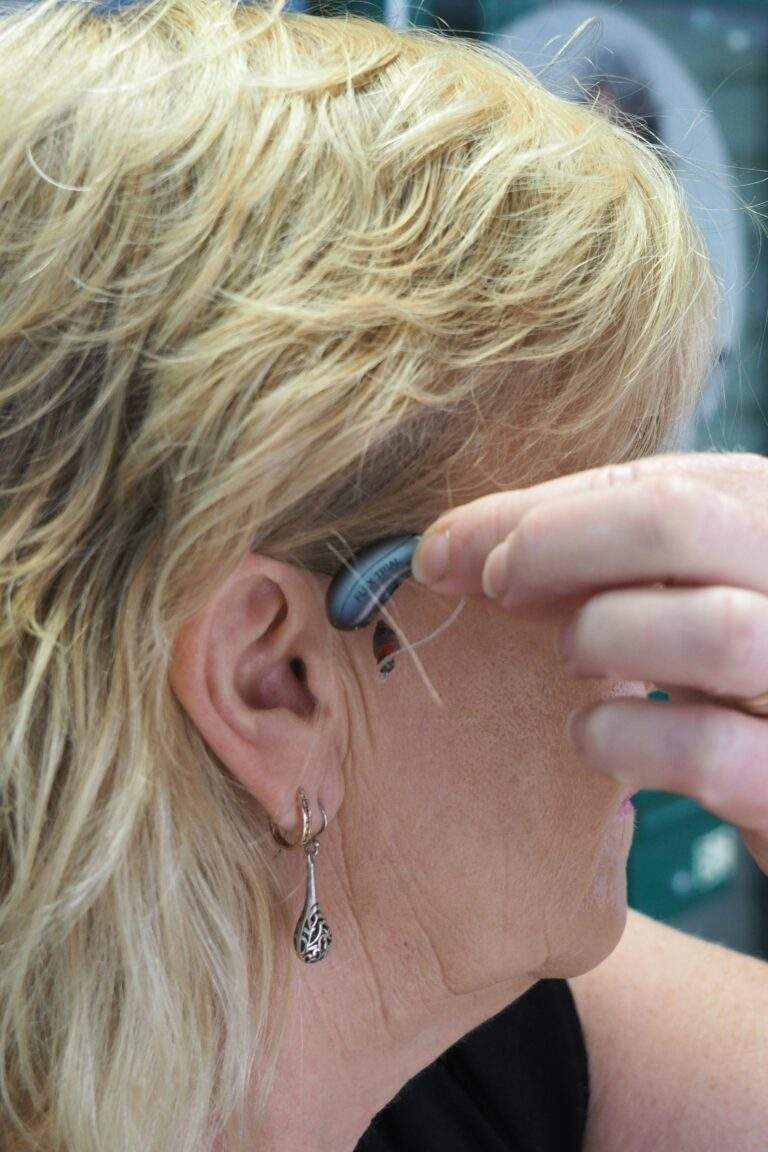
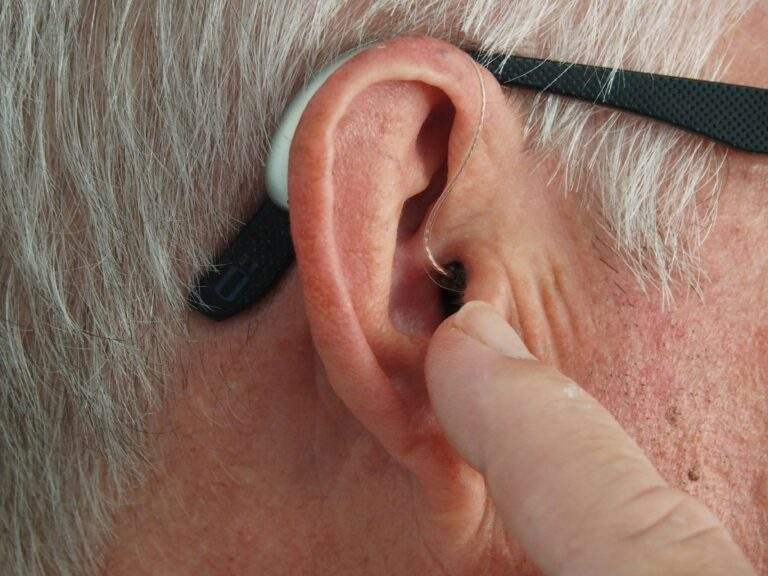
Surprisingly, one of the best ways how to protect your hearing as a senior is to wear your hearing aids.
Many seniors leave their devices in the drawer, only taking them out for “special occasions.” However, when you don’t wear your hearing aids, your brain’s auditory cortex can begin to atrophy from lack of use. This is called “auditory deprivation.”
By wearing your devices, you keep the neural pathways active and healthy. Furthermore, modern hearing aids have “noise reduction” features that actually protect your ears by dampening sudden, sharp noises while amplifying the speech you want to hear.
- If you don’t have hearing aids yet, modern Over-the-Counter (OTC) options are now a great, affordable way to start. [Check Out our Top Recommended OTC Hearing Aids for Seniors].
Need to see a professional to discuss your ear protection? Read This
Tips, Best Practices, and Recommendations
To make how to protect hearing as a senior part of your lifestyle, follow this simple checklist:
Weekly Best Practices:
- The “Earwax” Check: Never use Q-tips! They can push wax against your eardrum, causing temporary loss or even permanent damage. If you feel “plugged,” use a softening drop kit or see a professional.
- Volume Audit: Check the settings on your phone and TV. If they are creeping up, it’s a sign you need to rest your ears or see an audiologist.
- Exercise: Activities like walking or yoga improve circulation, which is vital for the tiny “hair cells” (cilia) in your ears that translate sound.
Recommended Gear:
- Noise-Canceling Headphones: These are great for travel. They “cancel” the engine roar so you can listen to your book at a much lower, safer volume.
- Visual Doorbells: If you struggle to hear the bell, a flashing light system prevents you from straining and keeps you safe.
Learning how to protect your hearing as a senior is an act of self-care that pays dividends in your social life and mental health. By adopting daily habits to protect hearing as you age – like the 60/60 rule, managing your blood pressure, and wearing earplugs in noisy crowds – you are ensuring that the world stays “turned up” for as long as possible.
Your hearing is your link to the people you love. Protect it with the same care you give to the rest of your health. It is never too late to start a protective habit!
Ready to take the next step in your hearing health journey?
- [Download our “Hearing Protection Daily Checklist”] – A simple one-page guide to keep on your fridge.
- [Check our Recommended Ear Protection Gear] – Find comfortable, senior-friendly earplugs and noise-canceling tools.