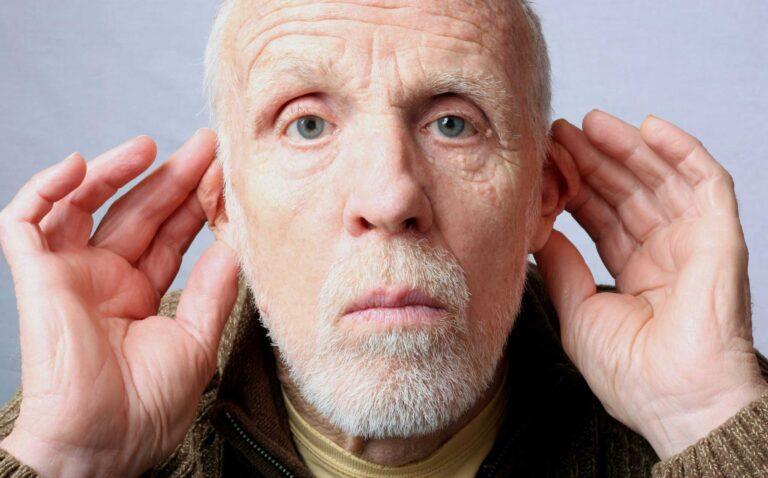
Imagine waking up on a quiet Tuesday morning, reaching for your coffee, and noticing that the world sounds completely lopsided. Your left ear hears the clink of the spoon just fine, but your right ear feels full, like it’s stuffed with cotton, and entirely silent. You shake your head, try to clear your ear, and wait. But the silence remains.
If you have ever wondered, “Is sudden hearing loss common in seniors?” you are asking a critical health question. While the gradual fading of hearing is a standard part of aging, a sudden hearing loss is a different ballgame entirely. It can be a frightening experience for a senior.
Understanding the difference between “normal” aging and a medical emergency can save your hearing. In this guide, we will discuss how common this issue is, what causes sudden hearing loss in elderly people, and—most importantly—what immediate steps you must take to protect your quality of life.
Is Sudden Hearing Loss Common in Old People?
To answer simply: Hearing loss in old people is widespread, but sudden hearing loss is considered a medical rarity—and an emergency.
Most seniors experience Presbycusis, which is the slow, age-related decline of hearing over the years. However, sudden loss of hearing in elderly people (medically called Sudden Sensorineural Hearing Loss, or SSHL) is defined as a rapid loss of at least 30 decibels in one or both ears, usually occurring within 72 hours.
The Statistics
In the United States, experts estimate that roughly 1 to 6 people out of every 5,000 experience this specific condition each year. While that may seem like a small number, the risk increases as we age. For seniors, the stakes are higher because we often assume a “plugged” ear is just wax or part of getting older.
Because many people don’t seek help immediately, the true number of cases may actually be higher. If you experience sudden hearing loss, time is your most valuable asset.
To understand the difference between this medical emergency and the gradual fading of sounds, read our guide on Types of Age-Related Hearing Loss.
What Causes Sudden Hearing Loss in Elderly People?
Identifying what causes sudden hearing loss in elderly people can be like solving a medical mystery. In about 90% of cases, doctors cannot find a specific “smoking gun.” However, there are several common culprits that provide clues.
1. Viral Infections
A common cold, the flu, or even shingles can trigger inflammation in the inner ear or the auditory nerve. This swelling can cut off the nerve’s ability to send sound signals to the brain, leading to sudden hearing loss.
2. Circulation and Vascular Issues
Your ears require a high level of oxygen and blood flow to function. In seniors, conditions like high blood pressure or heart disease can lead to tiny blood clots or “mini-strokes” in the ear’s blood vessels. If the ear loses its blood supply for even a short time, hearing can vanish instantly.
3. Ototoxic Medications
Certain high-dose antibiotics, chemotherapy drugs, or even large amounts of aspirin can be toxic to the ear. This can lead to a sudden loss of hearing in elderly people who are undergoing treatment for other serious health issues.
4. Autoimmune Disorders
Sometimes, the body’s immune system mistakenly attacks the delicate structures of the inner ear. This “inner ear attack” can happen quickly and results in immediate silence.
5. Physical Blockages (The “Good News” Cause)
Occasionally, what looks like sudden hearing loss is actually a severe impaction of earwax or fluid behind the eardrum. While this is less serious than nerve damage, it should still be treated by a professional to ensure no permanent damage is done.
If you’re experiencing these symptoms along with a gradual decline, read The Complete Guide to Hearing Loss in Seniors.

Red Flags: Symptoms to Watch For
How do you know if you are experiencing a true medical event versus a common cold? Watch for these specific signs of sudden hearing loss:
- The “Pop”: Many seniors report hearing a loud “pop” just before the sound disappears.
- The Fullness: It feels like your ear is full of water or a large earplug that won’t come out.
- Vertigo: You may feel sudden dizziness or like the room is spinning.
- Tinnitus: A loud, sudden ringing or buzzing may appear in the affected ear.
The Golden Rule: If you experience a sudden hearing loss in one ear, do not wait until Monday morning. Go to an Urgent Care center or an Ear, Nose, and Throat (ENT) specialist immediately. Treatment works best within the first 24 to 48 hours.
How is it Treated?
If a doctor confirms you have a true sudden hearing loss, the goal is to reduce inflammation and restore blood flow as quickly as possible.
- Corticosteroids: This is the primary treatment. They help reduce swelling and give the sensory cells a chance to recover. These may be taken as a pill or injected directly into the ear.
- Blood Flow Improvement: If circulation is the suspected cause, doctors may prescribe medications to improve oxygen levels in the ear.
- Antivirals: If a virus is suspected, your doctor might combine steroids with an antiviral medication.
If the hearing does not return fully, that is when modern technology steps in. Hearing aids are exceptionally effective at boosting the signals from a damaged ear.
If your hearing has stabilized but isn’t where it used to be, check out our review of the [Best Hearing Aids for Seniors] to see how to regain your sound.
Best Practices & Recommendations
Protecting your ears isn’t just about what you do once you lose hearing; it’s about daily maintenance and prevention.
Immediate Action Plan
- Don’t wait: If sound drops off suddenly, see an ENT. Do not assume it is just wax.
- Avoid Q-Tips: If you feel a sudden fullness, do not dig in your ear with a cotton swab. You may push wax against the eardrum and cause permanent injury. Rather, use earwax removal drops instead if you want to remove earwax. Some of them are made with seniors in mind, like this one.
- Track your meds: Keep a list of your medications and discuss them with your audiologist to ensure they aren’t “ototoxic.”
Helpful Products for Ear Care
If you frequently deal with wax buildup—which can mimic sudden hearing loss—consider these senior-friendly tools:
- Electronic Ear Wax Washers: These are safer than manual irrigation bulbs and use a gentle stream of water to clear debris. [check price on Amazon]
- Hearing Aid Dehumidifiers: If you already use hearing aids, these jars help remove moisture that can cause a sudden malfunction. [check price on Amazon]
- check our top-recommended ear care products here.
Conclusion
So, is sudden hearing loss common in old people? While gradual hearing decline is standard, a sudden drop in sound is an exception that requires quick action. Sudden hearing loss in one or both ears should be treated with the same urgency as persistent chest pain.
By recognizing the signs of sudden hearing loss, avoiding common mistakes like delay or self-cleaning, and seeking professional help early, many seniors can recover their hearing entirely. Even if recovery is partial, modern technology and hearing aids can help you stay connected to your family and friends.
Take Charge of Your Hearing Health:
- [Download our “Emergency Hearing Loss” PDF Checklist] – Know exactly what to tell the doctor in an emergency.
- [Check Latest Prices on Top-Rated OTC Hearing Aids] – Explore solutions that keep you in the conversation.