We all know that a good diet is important for a strong heart, healthy bones, and a sharp mind. But what if we told you that the food on your plate is also one of the best defenses you have against age-related hearing loss?
It sounds surprising, but research has confirmed a powerful connection between what you eat and what you hear. Your ears, particularly the delicate inner ear, are constantly working and need a steady supply of specific vitamins and minerals to function properly. When these nutrients are missing, the tiny, sensitive cells in your inner ear become vulnerable to damage from noise and aging.
Understanding Nutrition and Hearing Loss is not about complicated fad diets. It’s about making simple, lifelong food choices that keep the “microphone” in your head working smoothly. We will explore the key vitamins you need, the best foods to find them in, and simple ways to increase your hearing power naturally.
The Ear’s Fuel Tank: Why Nutrition Matters
The inner ear houses the cochlea, which is a snail-shaped organ filled with thousands of microscopic hair cells. These hair cells are responsible for translating sound waves into electrical signals that the brain can understand.
These cells are extremely fragile, and they do not grow back once they are damaged. That is why hearing and nutrition are so critical: specific vitamins and antioxidants act as armor for these cells, protecting them from two major threats:
1. Free Radicals (The Internal Attack)
The sound-to-signal conversion process creates waste products in the inner ear called “free radicals.” These highly reactive molecules can attack and destroy the hair cells over time. Antioxidants—which come from healthy foods—neutralize these free radicals, offering protection against damage.
2. Blood Flow (The Power Supply)
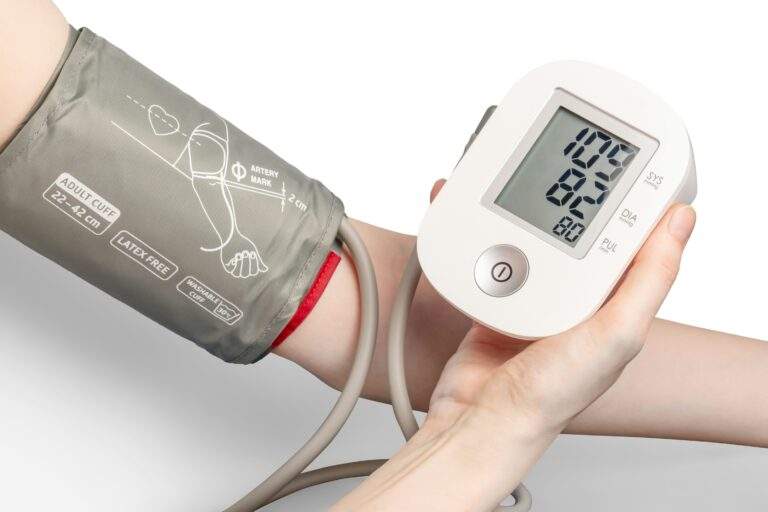
The inner ear has one of the highest metabolic demands in the body, meaning it needs a constant, robust supply of oxygen and blood. Conditions like high blood pressure or diabetes—both heavily influenced by diet—can damage the tiny blood vessels that feed the ear, leading to a breakdown in hearing.
The Top 4 Vitamins for Hearing Health
If you are wondering how to increase hearing power naturally, the answer often lies in checking your nutrient intake. Studies have identified several key players where a hearing loss vitamin deficiency is common among seniors.
1. Magnesium (The Noise Guard)
Magnesium acts as a shield against noise damage. It helps relax the blood vessels that supply the inner ear, ensuring better oxygen flow. Reports have shown that taking magnesium supplements before and during exposure to loud noise can significantly reduce noise-induced hearing loss.
- Best Food Sources: Dark chocolate (in moderation!), spinach, black beans, avocados, and almonds.
2. Folic Acid (Vitamin B9)
Folic acid is essential for healthy blood circulation. It helps the body metabolize a substance called homocysteine. High levels of homocysteine are associated with poor circulation, which can starve the inner ear of oxygen. A US study found that seniors with high levels of folic acid were significantly less likely to have age-related hearing loss.
- Best Food Sources: Leafy greens (like collard greens and kale), enriched breakfast cereals, and citrus fruits.
3. Antioxidants: Vitamins C & E
These two vitamins work together as a powerful team to fight the free radical damage mentioned above. They help protect the cochlear hair cells from the oxidative stress that comes from aging and noise exposure.
- Best Food Sources (Vitamin C): Oranges, bell peppers, strawberries, and broccoli.
- Best Food Sources (Vitamin E): Sunflower seeds, wheat germ oil, nuts (especially hazelnuts), and peanut butter.
4. B12 (The Nerve Helper)
Vitamin B12 is crucial for nerve health. Since age-related hearing loss (Presbycusis) often damages the auditory nerve, B12 is a key protector. A severe hearing loss vitamin deficiency in B12 is often linked to both hearing loss and severe tinnitus (ringing in the ears).
- The Challenge: Many seniors have trouble absorbing B12 from food, even if they eat enough of it.
- Best Food Sources: Clams, liver, fortified cereals, and lean beef. Many seniors benefit from a B12 supplement or injection if their doctor confirms a deficiency.

Foods That Cause Hearing Loss (The Hidden Dangers)
Just as some foods protect your ears, others can actively harm them. While no single meal will cause sudden deafness, a lifelong diet high in these categories can accelerate age-related hearing decline.
1. High Sodium (Salt)
A diet high in salt contributes to high blood pressure, which restricts blood flow. The inner ear is very sensitive to fluid and pressure changes.
- The Danger: Too much sodium can disrupt the fluid balance in the inner ear (known as the endolymph), which can cause temporary hearing fluctuations, dizziness, and long-term damage, particularly if you have conditions like Meniere’s Disease.
2. Refined Sugars
Too much sugar can lead to insulin resistance and diabetes, which damage blood vessels throughout the body, including the cochlea.
- The Danger: Uncontrolled blood sugar starves the tiny blood vessels in the inner ear of the oxygen they need to survive, accelerating cell death and leading to sensorineural hearing loss.
3. Saturated and Trans Fats
Foods high in bad fats contribute to cholesterol buildup, narrowing arteries (atherosclerosis).
- The Danger: This restricts the vital blood flow to the inner ear, making the hair cells vulnerable to damage and accelerating the risk of untreated hearing loss and dementia.
Concerned about the link between your ears and your mind? Read this: Hearing Loss and Dementia: What Studies Say.
Best Practices and Recommendations
You now know that Nutrition and Hearing Loss are directly related. Here is your simple, actionable plan for making your diet ear-friendly.
1. Go Mediterranean
The Mediterranean diet—rich in fish, vegetables, olive oil, and nuts—is consistently shown in studies to be the best for hearing health. It naturally provides the Omega-3s, Magnesium, and Antioxidants your ears crave.
- Action: Replace butter with olive oil, and swap out red meat for fatty fish (salmon, tuna) twice a week.
2. Take a Daily B-Complex
Because absorption of B12 and Folic Acid can be difficult for seniors, a simple B-Complex vitamin can be highly effective at combating a common hearing loss vitamin deficiency.
- Check our recommended B-Complex Vitamins for Seniors here. Always consult your doctor before starting any supplement.
3. Hydrate Properly
Water is essential for maintaining the fluid balance in the inner ear. Dehydration can affect the delicate pressures inside the cochlea.
- Tip: Aim for six to eight glasses of water daily (check with your doctor, especially if you have heart or kidney conditions).
4. Practice Mindful Eating
When you eat, pay attention to the sound. This helps keep the auditory processing centers of your brain active, which is great practice for how to increase hearing power naturally.
- Tip: Turn off the TV during meals and listen to the conversation or the quiet sounds of eating.
Conclusion
The science is clear: how Nutrition Impacts Hearing Loss is profound. Your hearing is a reflection of your overall health, and diet plays a central role in protecting those irreplaceable hair cells and blood vessels.
You do not have to overhaul your entire life overnight. Start small. Add one extra serving of spinach for magnesium, swap out one salty snack for a handful of almonds, and ask your doctor about your Vitamin B12 levels. By feeding your ears what they need, you are taking a powerful, proactive step to ensure you can continue to hear all the important sounds of life.
Ready to start eating for your ears?
- [Download our Free “Top 10 Hearing-Healthy Recipes” Guide] to plan your next meal.
- [Check out our list of approved supplements] to fill common nutrient gaps.