Introduction
Picture this scenario: It’s Thanksgiving dinner. The table is full, the turkey is carved, and the room is buzzing with the overlapping chatter of children, grandchildren, and old friends. You are sitting at the head of the table, smiling. But inside, you feel a growing sense of panic. You see your granddaughter laughing, but you didn’t catch the punchline. Your son asks you a question, but it gets lost in the clatter of silverware. So, you do what many of us have done: you simply nod, smile, and hope the response was appropriate.
If this scene feels familiar, you are not alone.
Early signs of hearing loss in seniors are one of the most overlooked aspects of aging, yet it is fundamental to how we connect with the world. Hearing loss in seniors is not just about needing the TV volume turned up; it is a profound health issue that affects communication, safety, and emotional well-being.
For caregivers, watching a loved one withdraw from conversations because they can’t keep up is heartbreaking. For seniors, the frustration of “mumbling” family members can feel isolating. But here is the good news: Hearing loss is manageable, treatable, and often improvable.
In this comprehensive guide, we will walk you through everything you need to know about hearing loss in seniors – from identifying the early signs of hearing loss in seniors, to understanding the causes, to finding the best modern solutions. We promise that by the end of this article, you will have a clear roadmap to restoring connection and confidence.
What is Hearing Loss in Seniors?
To tackle the problem, we first need to understand what we are dealing with. In the medical field, age-related hearing loss is commonly referred to as presbycusis. It is the slow, progressive loss of hearing that occurs as we get older. Unlike the temporary hearing loss you might experience after a loud rock concert or a bad head cold, age-related hearing loss is usually permanent, though highly treatable.
The Scale of the Issue
In the United States, hearing loss in seniors is the third most common chronic physical condition among adults, largely outnumbered only by arthritis and heart disease. According to the National Institute on Deafness and Other Communication Disorders (NIDCD):
- Approximately one in three people in the United States between the ages of 65 and 74 has hearing loss.
- For those older than 75, that number jumps to nearly half.
Despite these staggering numbers, fewer than 30% of adults aged 70 and older who could benefit from hearing aids has ever used them.
More Than Just “Hard of Hearing”
It is vital to understand that hearing loss in seniors impacts daily life in ways that go far beyond the ears.
- Cognitive Load: When you struggle to hear, your brain has to work overtime to fill in the blanks. This causes “listening fatigue,” leaving you exhausted after a simple conversation.
- Emotional Health: Untreated hearing loss is heavily linked to isolation, loneliness, and depression. When it’s too hard to hear, people often stop going to social gatherings.
- Physical Safety: Balance problems that can lead to falls, not hearing a smoke alarm, a honking car, or a doctor’s instructions can have immediate, dangerous consequences.
Understanding that this is a physical condition – not a lack of attention or intelligence – is the first step toward finding a solution.
Causes / Background: Why is This Happening?
You might be asking, “Why me?” or “Why now?” To understand the causes of hearing loss in seniors, we need to look at the delicate anatomy of the ear and your medical history.
1. The Natural Aging Process (Presbycusis)
Inside your inner ear (the cochlea), there are thousands of tiny hair cells. These cells are responsible for picking up sound waves and translating them into electrical signals for the brain. Over decades of life, these hair cells can become damaged or die off. Unlike skin cells, hair cells in the inner ear do not regenerate. Once they are gone, they are gone. This is the primary driver of age-related hearing loss.
2. Noise Exposure
Did you work in a factory? Were you a veteran exposed to gunfire? Did you frequent loud concerts in your youth? Long-term exposure to loud noise wears down those delicate hair cells faster. This creates “noise-induced hearing loss,” which often compounds with age.
3. Medical Conditions
Your ears rely on healthy blood flow to function. Consequently, systemic health issues often manifest in the ears.
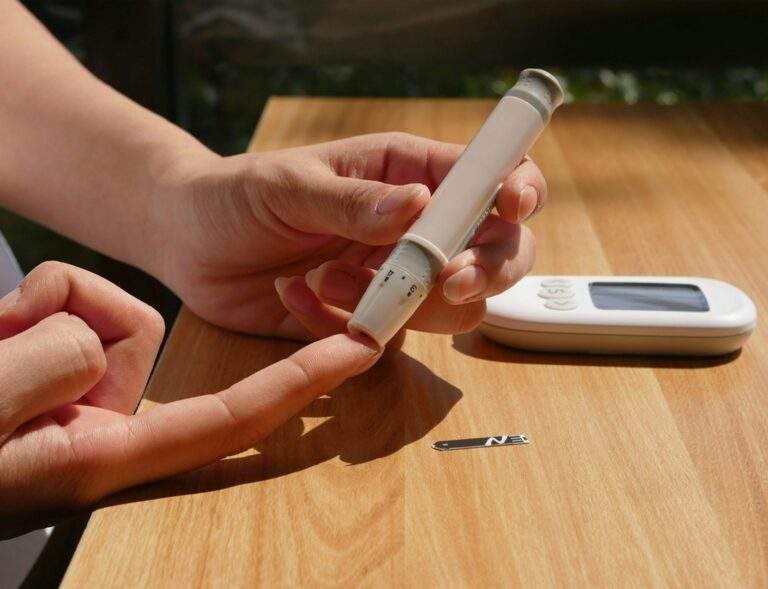
- Diabetes: High blood sugar can damage the small blood vessels in the inner ear.
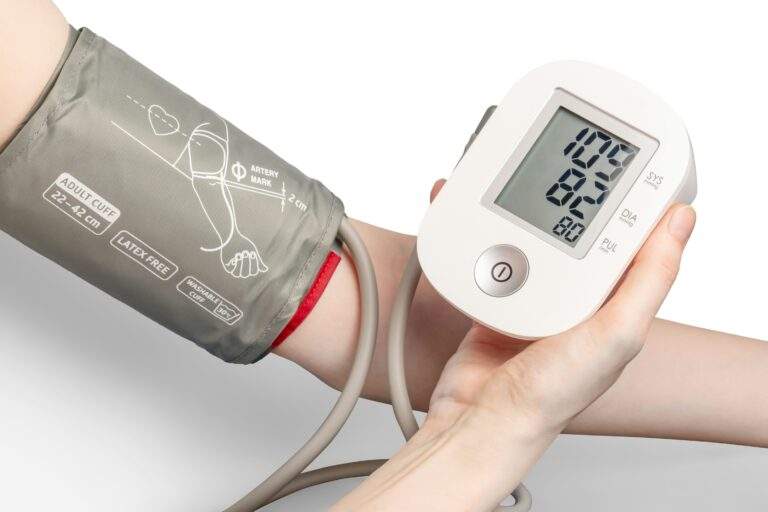
- Cardiovascular Disease: Poor circulation / high blood pressure can restrict blood flow to the cochlea.
4. Ototoxic Medications
Some medications are “ototoxic,” meaning they are poisonous to the ear. Certain chemotherapy drugs, large doses of aspirin, and some antibiotics can contribute to hearing decline. Always check with your doctor about the side effects of your prescriptions.
5. Heredity
Sometimes, it is simply in your DNA. If your parents or grandparents experienced early-onset hearing loss, you are statistically more likely to experience it as well.

Signs & Symptoms / Key Indicators
Hearing loss in seniors rarely happens overnight. It is a sneaker; it creeps up slowly, often over years. Because the brain is excellent at compensating, many seniors don’t realize how much they are missing until a caregiver points it out.
Here are the primary signs of hearing loss in seniors to watch for.
The “Restaurant Problem”
This is the classic indicator. You can hear just fine in a quiet room, but the moment you enter a restaurant with background noise (clinking dishes, chatter), conversation becomes a blur. This usually indicates high-frequency hearing loss, where the ability to distinguish speech from noise is compromised.
The “Mumbling” Complaint
“Everyone these days seems to mumble!”
If you find yourself saying this often, it likely isn’t that people are speaking softly; it’s that you are losing the ability to hear consonants. Consonants (like S, F, Th, Sh) carry the clarity of speech, while vowels carry the volume. You hear the noise, but not the clarity.
See how you can detect hearing loss by yourself at home here
Specific Red Flags for Caregivers
If you are caring for a senior, look for these behaviors:
- TV Volume: The television is turned up to a level that is uncomfortable for everyone else in the room.
- Telephone Avoidance: They stop answering the phone or struggle to follow phone conversations.
- Social Withdrawal: They become unusually quiet at parties or family gatherings.
- Repetition: They frequently ask “What?” or “Huh?”
- Misinterpreted sounds: Responding to a question you didn’t ask, or laughing when no joke was made.
Tinnitus (Ringing in the Ears)
A buzzing, ringing, or hissing sound in one or both ears is often the first “alarm bell” of hearing damage. It is your brain trying to create sound frequencies it can no longer hear from the outside world.
Expert Tip: Dr. Jenny Smith (Audiologist) notes, “If you find yourself watching a speaker’s lips to understand what they are saying, your eyes are doing the work your ears should be doing. This is a definitive sign it’s time for a screening.” Not sure if it’s one ear or both? read this
Hearing Loss in Seniors Solutions and Treatments / Options
Receiving a diagnosis of hearing loss can feel daunting, but we are living in a golden age of auditory technology. There are untreated hearing loss risks for older adults, but the solutions available today are light-years ahead of the big, beige plastic devices of the past.
1. Professional Hearing Aids
This is the gold standard for hearing loss in seniors. Modern hearing aids are digital computers for your ears.
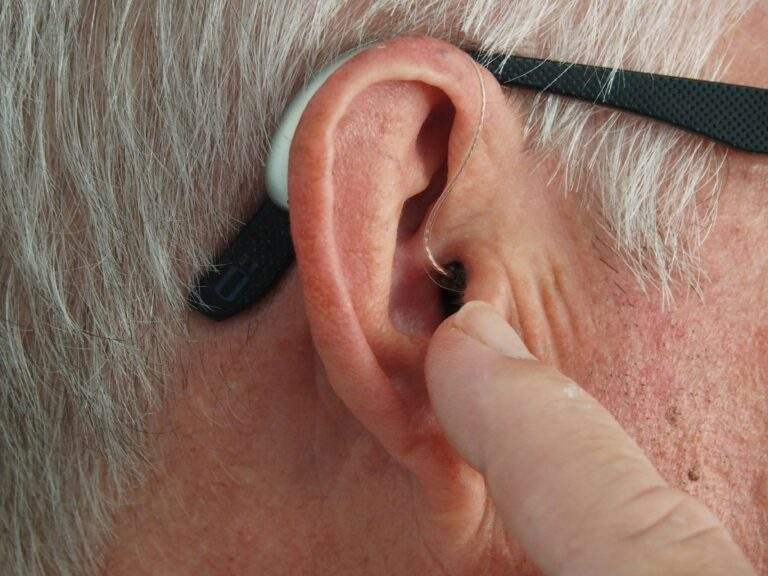
- Behind-the-Ear (BTE): The most powerful option, suitable for severe loss. The tech sits behind the ear with a tube going into the canal.
- Receiver-in-Canal (RIC): Smaller and more discreet than BTE, and very popular.
- In-the-Ear (ITE) / Completely-in-Canal (CIC): Custom molded to fit inside your ear. These are nearly invisible but may not have the battery life or power for profound hearing loss.
Can supplements help you combat your hearing health issues? Check here for the answer
2. Over-the-Counter (OTC) Hearing Aids
As of late 2022, the FDA approved the sale of OTC hearing aids in the US. These are intended for adults with mild to moderate hearing loss.
- Pros: Much cheaper than prescription aids; no exam required; accessible at pharmacies/online.
- Cons: Not custom-fitted; not suitable for severe hearing loss.
3. Cochlear Implants
For severe to profound hearing loss where hearing aids no longer help, a cochlear implant may be an option. This is a surgically implanted electronic device that bypasses the damaged inner ear and directly stimulates the auditory nerve.
4. Assistive Listening Devices (ALDs)
These are tools used in specific situations, often paired with hearing aids:
- TV Ears: Headsets that allow the senior to hear the TV at their volume while the family listens at a normal volume.
- Captioned Telephones: Phones that display a text transcript of what the caller is saying.
- Loop Systems: Many theaters and churches have “induction loops.” If your hearing aid has a “T-coil,” you can tap directly into the building’s sound system.
5. Lifestyle Adjustments (Auditory Rehabilitation)
Technology is only half the battle. Your brain needs to relearn how to process sound.
- Active Listening: Practice listening to audiobooks while reading the physical book to retrain the brain.
- Communication Hygiene: Teach family members to face you when speaking and not to cover their mouths.
See how smoking and alcohol can affect your hearing [Smoking and Alcohol Effects on Senior Hearing]
Recommended Products / Tools (Top Picks)
If you are looking for immediate solutions, particularly concerning OTC hearing aids or Assistive Listening Devices, here are our three top-rated options.
1. Jabra Enhance (Best Overall OTC)
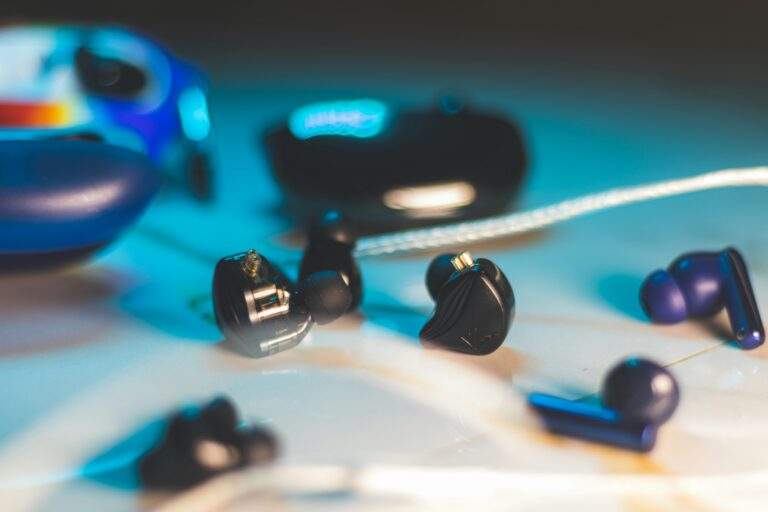
Jabra is a leader in audio technology, and their Enhance line is excellent for seniors comfortable with smartphone apps.
- Features: Bluetooth streaming, reliable customer support, high-quality noise reduction.
- Pros: Looks like high-end earbuds (not medical devices), great sound quality.
- Cons: Requires a smartphone for setup.
- Best For: Active seniors with mild-moderate loss.
2. Eargo (Best Invisible Option)
Eargo devices are designed to float inside the ear canal, making them virtually invisible.
- Features: Rechargeable case, comfortable “petal” design for airflow.
- Pros: No one will know you are wearing them; very comfortable.
- Cons: Higher price point for OTC; small size can be hard to handle for those with arthritis.
- Best For: Seniors concerned about the aesthetics of hearing aids.
3. Audien Atom (Best Budget Option)
For those strictly on a budget who need simple amplification without the bells and whistles.
- Features: Rechargeable, simple volume dial.
- Pros: Very affordable and simple to use.
- Cons: Lacks advanced noise cancellation; amplifies all sound equally (background noise included).
- Best For: Backup devices or tight budgets.
| Feature | Jabra Enhance | Eargo | Audien Atom |
| Type | Receiver-in-Canal | Completely-in-Canal | In-the-Canal |
| Visibility | Low | Invisible | Medium |
| Bluetooth | Yes | No | No |
Prevention / Maintenance / Best Practices
While you cannot stop time, you can slow down the progression of hearing loss. Prevention is about protecting what you have left.
1. Protect Your Ears
It sounds obvious, but many seniors forget this. If you are mowing the lawn, using power tools, or attending a loud event (like a grandchild’s graduation with a loud PA system), wear earplugs. Noise damage is cumulative.
2. Manage Earwax (Cerumen)
Sometimes, hearing loss isn’t permanent damage – it’s just a blockage! Seniors produce harder, drier earwax.
- Do: Use softening drops (like Debrox) or see a professional for removal.
- Don’t: Use cotton swabs (Q-tips). They push the wax deeper and can puncture the eardrum.
3. Heart-Healthy Diet
What is good for the heart is good for the ears. A diet rich in:
- Potassium: (Bananas, potatoes) helps regulate fluids in the inner ear.
- Magnesium: (Spinach, almonds) creates a protective barrier for hair cells against noise.
- Folic Acid: (Broccoli, organ meats) helps metabolize homocysteine, which can reduce blood flow.
4. Regular Audiograms
Make a hearing test part of your annual check-up routine, just like checking your cholesterol or blood pressure. Establishing a “baseline” helps doctors track how fast your hearing is changing.
See how you can book a free hearing test and what to expect in an Audiologist appointment
Common Mistakes / Myths
There is a stigma surrounding hearing loss that prevents many people from seeking help. Let’s debunk the myths that might be holding you back.
Myth 1: “My hearing isn’t bad enough for a hearing aid yet.”
Reality: Waiting is the worst thing you can do. When you deprive your brain of sound stimulation for years, the auditory processing centers of the brain begin to atrophy (weaken). If you wait until you are “deaf enough,” your brain may have forgotten how to process speech, making hearing aids less effective later on.
Myth 2: “Hearing aids will restore my hearing to normal.”
Reality: Hearing aids are not like glasses. Glasses correct vision almost perfectly; hearing aids amplify and process sound. They make it easier to hear, but they do not cure the underlying damage. Setting realistic expectations is key to satisfaction.
Myth 3: “Hearing aids make me look old.”
Reality: Do you know what makes you look older? Constantly asking people to repeat themselves or smiling blankly when someone speaks to you. Modern hearing aids are sleek and often look like high-tech Bluetooth headsets. Connecting with your family makes you seem younger and more vibrant than struggling in silence.
Navigating hearing loss in seniors can feel like a journey through a fog. It starts with missed words and frustration, but it doesn’t have to end in silence or isolation.
See how hearing loss can affect your memory
Whether you are a senior noticing the first signs of decline or a caregiver looking for what causes hearing loss in seniors to better help a parent, taking action is the bravest and most effective step you can take. The technology available today is incredible, and the medical understanding of how hearing connects to overall health has never been clearer.
Don’t let hearing loss shrink your world. Schedule an appointment with an audiologist, try an OTC device, or simply start the conversation with your family today. The sounds of life – the laughter of grandchildren, the birds in the morning, the punchlines of jokes – are worth fighting for.
Ready to take the next step?
[Download our Free “Hearing Health Checklist” PDF here] – A printable guide to bring to your next doctor’s appointment to ensure you ask the right questions.
[See Our Top Hearing Aid Recommendations] – Compare prices and features of the best devices on the market.