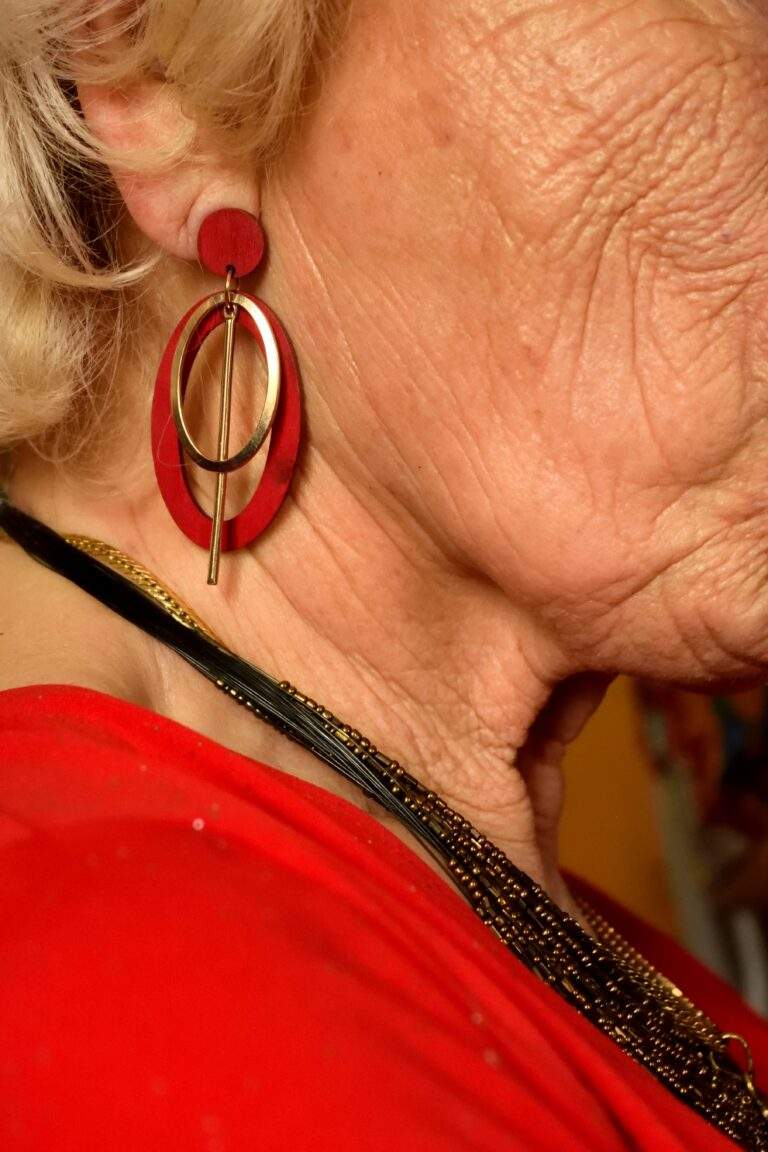
Imagine you are sitting on your porch on a quiet Sunday morning. Years ago, you could hear the rustle of the leaves, the distant chirp of a songbird, and the soft hum of your neighbor’s lawnmower all at once. Today, the world feels a little more “muted.” You hear the lawnmower, but the birdsong has vanished. You might think, “It’s just part of getting older,” but hearing doesn’t just switch off like a light bulb. Instead, it fades in distinct chapters.
Understanding the different hearing loss stages is essential for seniors and caregivers alike. It isn’t just about how loud the world is; it’s about how clearly you can engage with your family, your hobbies, and your safety. Knowing where you stand on the “hearing map” helps you decide when to take action and which tools will work best.
Here, we will break down the journey of hearing decline. We will explore mild hearing loss, moderate hearing loss, and severe hearing loss in plain English. By the end, you’ll have a clear picture of how to protect your auditory health and maintain your quality of life.
The Auditory Map: How We Measure Hearing
Before we look at the specific hearing loss stages, we need to understand the “ruler” doctors use to measure them: the decibel (dB).
A decibel measures volume. For context, a whisper is about 30dB, while a normal conversation is roughly 60dB. When you take a hearing test (an audiogram), the specialist determines the quietest sound you can hear at different pitches. This number places you into one of the following categories.
1. Mild Hearing Loss (26 to 40dB)
Mild hearing loss is the “sneaky” stage. You can follow most conversations in a quiet room, but you start to struggle when life gets busy.
- What you miss: Soft sounds like the ticking of a clock, leaves rustling, or a grandchild whispering.
- The “Mumble” Factor: You might feel like people are mumbling, especially if they are in another room.
- Social Impact: You can still participate in social events, but you feel more tired afterward because your brain is working harder to listen.
According to reports, approximately 15% of American adults (37.5million) report some trouble hearing, most of whom start in this mild category.
2. Moderate Hearing Loss (41 to 55dB)
This is often the “turning point.” In the stage of moderate hearing loss, the difficulty becomes hard to ignore for both the senior and their family.
- What you miss: You may lose a significant amount of speech sounds, especially consonants (like ‘s’, ‘f’, and ‘th’).
- The TV War: This is the stage where the TV volume starts to bother other people in the house.
- The Phone Problem: Understanding people on the phone becomes a real challenge.
At this level, you are likely missing about 50% of a normal conversation. It is no longer just “soft” sounds that are gone; the core of communication is beginning to erode.
3. Moderately-Severe to Severe Hearing Loss (56 to 90dB)
Severe hearing loss is a profound life change. Without assistance, you cannot hear speech at all, and you may even miss loud environmental sounds.
- What you miss: A ringing telephone, a vacuum cleaner, or even a dog barking may be silent to you.
- Safety Risks: You may not hear smoke alarms, doorbells, or approaching sirens while driving.
- Communication: Conversation is almost impossible without visual cues (lip reading) or high-powered amplification.
If you find yourself in the severe category, you may have experienced a sudden drop in sound. Read this: Is Sudden Hearing Loss Common in Seniors? for emergency signs.
What Level of Hearing Loss Requires a Hearing Aid?
This is the question every senior asks: What level of hearing loss requires a hearing aid?
While there is no “legal” requirement, audiologists generally recommend intervention starting at the mild hearing loss stage (26 to 40dB loss).
Why start so early?
The brain is like a muscle. When the “hearing” part of your brain stops getting exercise (sound), it begins to atrophy. This is called auditory deprivation. By getting help at the mild or moderate stage, you keep those neural pathways active. This has been linked to a lower risk of cognitive decline and dementia in seniors.
- For Mild Loss: Many seniors find success with Over-the-Counter (OTC) devices. These act like “reading glasses” for your ears.
- For Moderate Loss: Prescription hearing aids or high-quality OTC aids are necessary to filter background noise.
- For Severe Loss: Professional, prescription-grade hearing aids fitted by an audiologist are the standard requirement.
Unsure which device matches your stage? Check out our parent guide, “The Complete Guide to Hearing Loss in Seniors.”
Navigating the Emotional Journey
Recognizing hearing loss stages isn’t just a physical process; it’s an emotional one.
- Denial: It is common for seniors in the mild stage to say, “I’m fine, it’s just the acoustics in this room.”
- Frustration: During moderate hearing loss, family friction often peaks. Caregivers feel ignored, and seniors feel badgered.
- Isolation: By the severe hearing loss stage, many seniors stop going out altogether.
Caregivers, if you are reading this, your role is to be a bridge. Helping a parent identify which of the hearing loss stages they are in can remove the mystery and fear from the conversation.
If you’re struggling to broach the topic, see our helpful guide on How to Talk to Parents About Hearing Aids & Hearing Loss.
Best Practices and Recommendations
No matter which of the hearing loss stages you or your loved one is experiencing, action is better than waiting. Here are our top tips for each stage.
For Mild and Moderate Stages
- Get a Baseline: Have an audiogram done now. It provides a map for the future.
- Try OTC Solutions: The FDA recently approved OTC hearing aids for these stages. They are affordable and easy to set up.
- Protect What You Have: Wear ear protection when using lawnmowers or power tools to prevent advancing to the next stage.
- Consider starting with a user-friendly device like the Audien Atom for a low-cost introduction to amplification.
For the Severe Stage
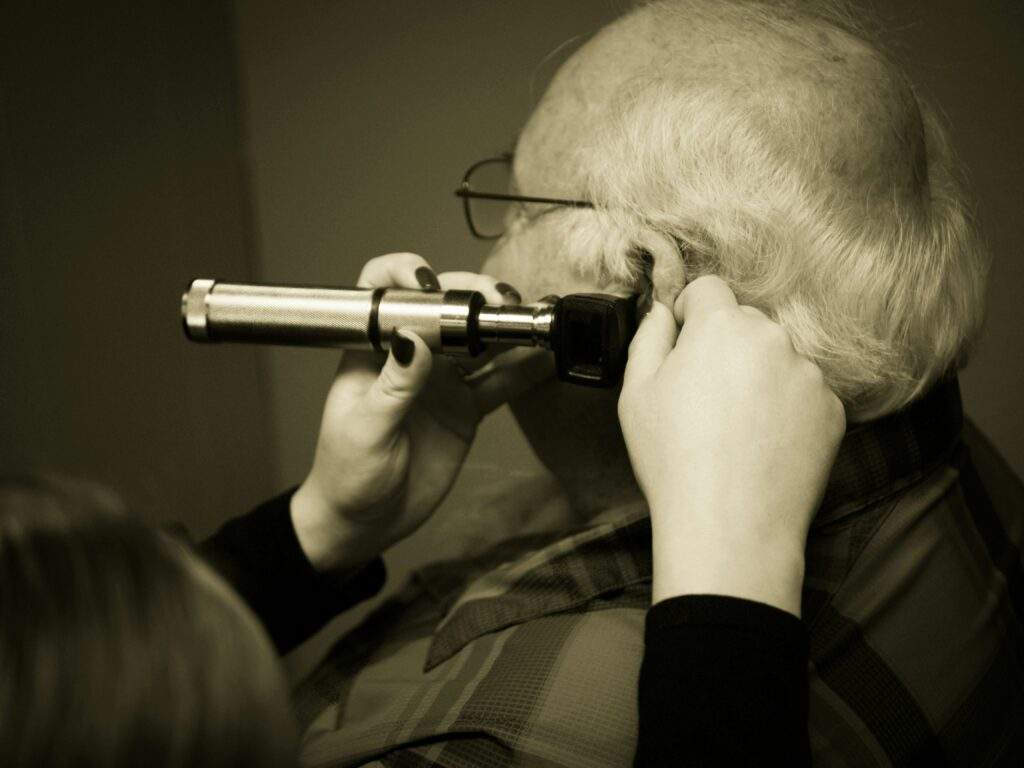
- Seek a Specialist: You need a customized prescription and a deep cleaning of the ear canal.
- Look into ALDs: Assistive Listening Devices (like bedside alarm shakers or flashing doorbells) improve safety.
Actionable Next Steps
- Schedule an Exam: Many insurance plans, including Medicare Advantage, may cover basic screenings.
- Practice Communication: Use the “Rephrase, Don’t Repeat” rule. If someone misses a word, try a different sentence altogether.
Conclusion
Understanding the hearing loss stages empowers you to take control of your health. Whether you are dealing with mild hearing loss that just makes restaurants a bit annoying or severe hearing loss that makes family calls impossible, there is a solution.
Don’t wait until the silence becomes a wall. Addressing hearing health at the early stages preserves your connection to the world and keeps your brain sharp.
Ready to find your stage?
- [Download our Free “At-Home Hearing Screening” Guide] to test yourself today.
- [Check out our review of the Best Hearing Aids for Seniors] to find the right tool for your specific level.