Picture this: You are at a lively family dinner. Your grandson is telling a funny story, and everyone around the table erupts into laughter. You smile and nod, but inside, you feel a pang of frustration – you missed the punchline. If this sounds familiar, you aren’t alone. Many of us find that as the candles on our birthday cakes increase, the clarity of the world around us seems to decrease.
Scheduling an audiologist appointment is a powerful step toward reclaiming those missed moments. It is about more than just “fixing your ears”; it is about preserving your connection to your loved ones and maintaining your cognitive health. In the United States, nearly 25% of those aged 65 to 74 and 50% of those who are 75 and older have disabling hearing loss, according to the NIDCD.
Despite how common it is, the prospect of a medical exam can be intimidating. This guide will walk you through the important things seniors can expect in an audiologist appointment, from the moment you walk in the door to the final consultation. We will break down the process in a friendly, jargon-free way to ensure you feel confident and prepared.
Why This Appointment is a Game-Changer for Seniors
Before we dive into the audiologist appointment process step by step, it is important to understand why this visit is so critical for seniors. Hearing health is directly tied to our overall well-being. Recent US studies, including landmark research from Johns Hopkins University, have shown that untreated hearing loss is linked to a higher risk of dementia, falls, and social isolation.
When you attend an audiologist appointment, you aren’t just getting a test; you are getting a roadmap for your future. A professional audiologist (a healthcare professional specializing in hearing and balance) can identify if your hearing loss is a simple fix – like earwax buildup – or something that requires advanced technology to manage.
Your First Audiologist Appointment for Seniors and What to Expect
When you go to your first audiologist appointment for seniors and what to expect, the most important thing to remember is that these tests are non-invasive and painless. There are no needles and no discomfort. Think of it as a specialized “check-up” for your communication system.
1. The Personal Consultation
The visit usually begins with a friendly conversation. The audiologist will ask about your medical history and your daily life. They want to know:
- Which specific environments give you the most trouble? (e.g., noisy restaurants, the car, or watching TV).
- Do you experience ringing in your ears (tinnitus)?
- Have you had any recent dizzy spells or balance issues?
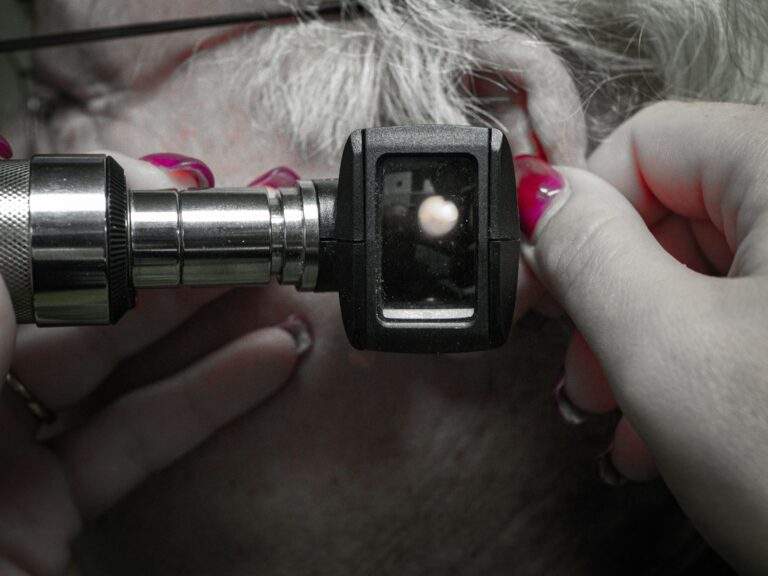
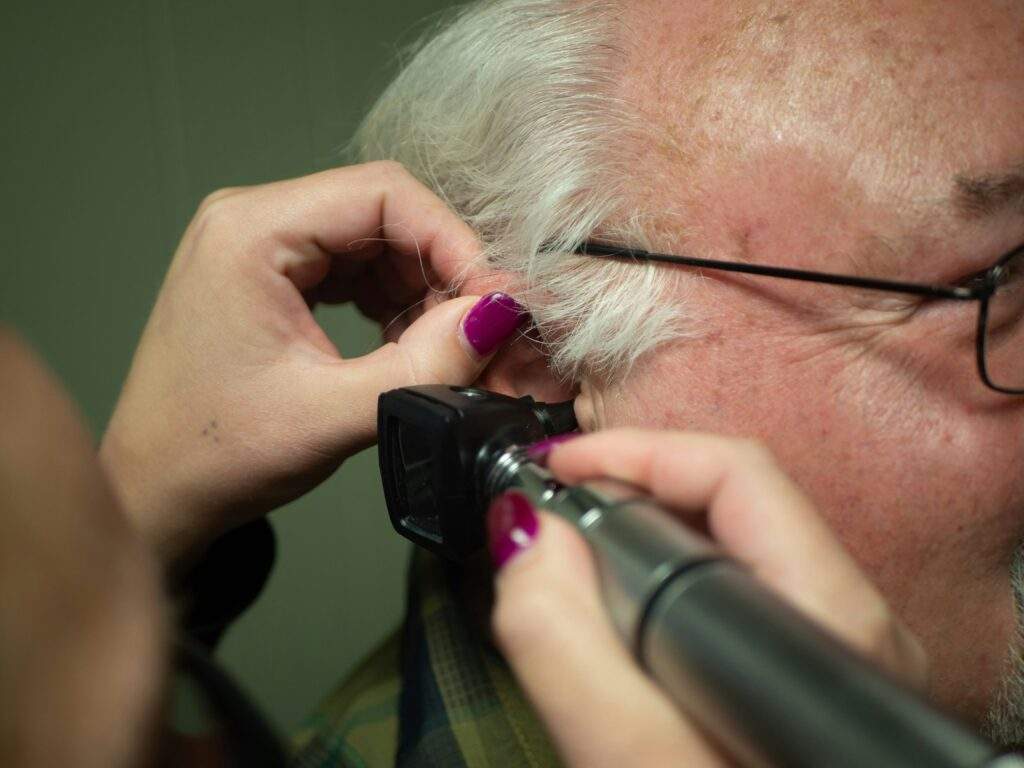
2. The Physical Ear Exam (Otoscopy)
The audiologist will use a small, lighted tool called an otoscope to look inside your ear canals.
During this part of what happens during an audiologist appointment, they are checking for:
- Earwax (Cerumen): You would be surprised how many “hearing problems” are actually just a stubborn plug of wax!
- Eardrum Health: They look for signs of previous infections, fluid, or damage to the eardrum.
- Foreign Objects: Occasionally, things like small bits of cotton from a swab can get stuck.
The Audiologist Appointment Process Step-by-Step
Once the physical exam is finished, you will move into a sound-treated booth. This is a quiet, comfortable space designed to block out the hum of the air conditioner or hallway chatter, ensuring the most accurate hearing test for seniors.
Step 1: Pure-Tone Audiometry (The “Beep” Test)
You will put on a pair of headphones. The audiologist will play a series of tones at different pitches (frequencies) and volumes (intensities). You will simply raise your hand or press a button every time you hear a sound.
- High Pitches: This tests your ability to hear sounds like a bird chirping or a child’s voice.
- Low Pitches: This tests deeper sounds, like a drum or a man’s voice.
Step 2: Speech Audiometry
Understanding speech is often more difficult than hearing beeps. In this part of what to expect in an audiologist appointment, you will hear a series of words at different volumes and be asked to repeat them. This helps the doctor understand your “speech recognition threshold”—the lowest volume at which you can understand speech.
Step 3: Tympanometry and Reflex Testing
This test measures how well your eardrum moves. A small probe is placed in the ear, and you will feel a slight change in air pressure (similar to the feeling of your ears popping on a plane).
Step 4: The Audiogram Review
After the tests, the audiologist will show you a graph called an audiogram. This is a visual map of your hearing.
The audiologist will explain your results:
- Normal Hearing: Your marks are at the top of the graph.
- Mild to Moderate Loss: This is very common in seniors and often explains why you can hear people talking but can’t quite understand the words.
- Severe Loss: Your marks are near the bottom, indicating a need for powerful assistance.
If you aren’t ready for an in-person visit yet, check out how you can detect hearing loss at home by yourself.
Important Things Seniors Can Expect in an Audiologist Appointment: Discussing Solutions
If the tests show that you have hearing loss, the second half of your audiologist appointment will focus on solutions. This is where the “professional” meets the “personal.”
Lifestyle-Based Recommendations
Not every senior needs a hearing aid immediately. Sometimes, the audiologist will suggest:
- Communication Strategies: Like facing the speaker or reducing background noise at home.
- Assistive Devices: Such as specialized telephone amplifiers or “TV Ears” for better late-night viewing.
Hearing Aid Technology
If hearing aids are recommended, modern options are a far cry from the bulky, whistling devices of the past. Today’s devices are tiny, discreet, and can often connect wirelessly to your smartphone or TV.
- If you are interested in exploring budget-friendly, high-quality options, you might want to look at [Top-Rated Over-the-Counter (OTC) Hearing Aids for Seniors].
Questions to Ask at an Audiologist Appointment
To get the most out of your visit, it helps to be an active participant. Here are some key questions to ask at an audiologist appointment:
- “Is my hearing loss in one ear or both?” (This helps determine if you need one device or two).
- “Is my hearing loss permanent, or is it caused by a medical issue?”
- “Will hearing aids prevent my hearing from getting worse?”
- “Do I qualify for any US government programs or insurance discounts?” (In the US, some Medicare Advantage plans offer hearing benefits).
- “What happens if I try a hearing aid and I don’t like it?” (Ask about trial periods).
Dealing with hearing loss can be emotional. That is why you should read This!
Tips, Best Practices, and Recommendations
Preparing for your audiologist appointment can significantly reduce your stress and improve the accuracy of the results.
Actionable Tips for a Successful Visit:
- Bring a “Second Set of Ears”: Invite a spouse, an adult child, or a close friend. They can help you remember what the doctor said and can provide “familiar voice” testing during the exam.
- Make a List of Medications: Some medications are “ototoxic,” meaning they can affect your hearing. Your audiologist needs to see this list.
- Clean Your Ears Safely: Avoid using Q-tips before your appointment, as they often push wax deeper. You can use an electric earwax remover or a wax softening drop.
- Keep a “Sound Diary”: For three days before your visit, jot down when you struggle most. Is it the microwave beeping? The preacher at church? This helps the audiologist program your devices perfectly.
Recommended Products for Home Support:
- Hearing Aid Cleaning Kits: Keeping your devices free of wax is the #1 way to make them last longer. (You can check out our favorite Hearing Aid Maintenance Kits.)
- Dehumidifiers for Hearing Aids: In humid climates, moisture can damage hearing aids. A simple humidifier can save you hundreds in repairs.
Understanding the important things seniors can expect in an audiologist appointment is the first step toward a more vibrant social life. From the initial otoscopy to reviewing your audiogram, every step of the audiologist appointment is designed to help you stay connected to the world you love.
Don’t let “the mumbles” keep you away from the family dinner table. Take charge of your hearing health today. You deserve to hear every laugh and every secret shared with you.