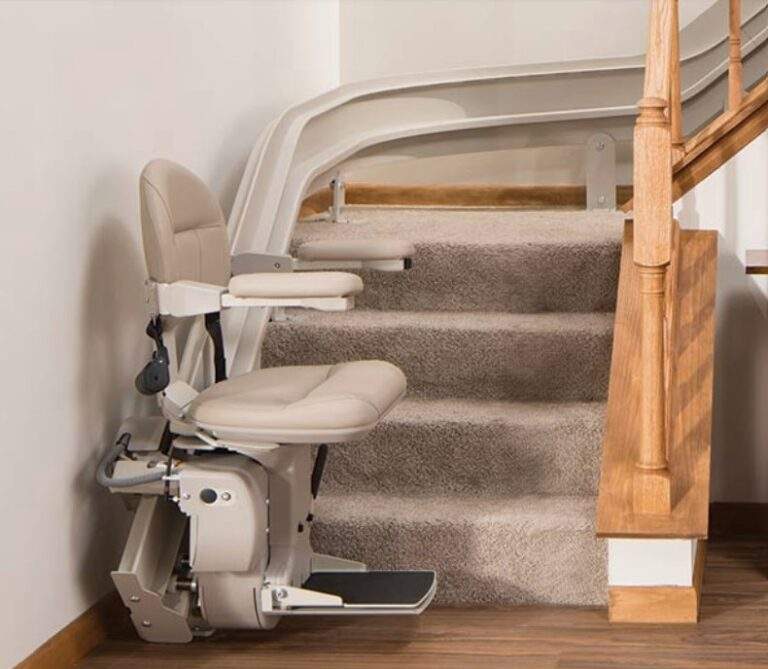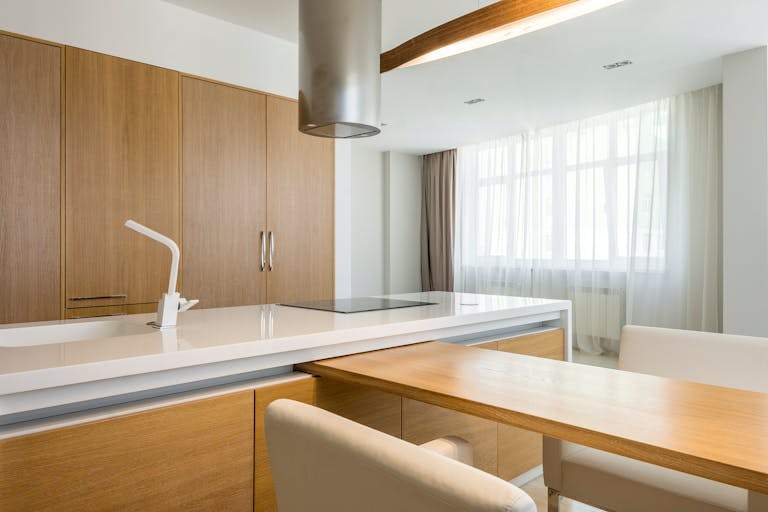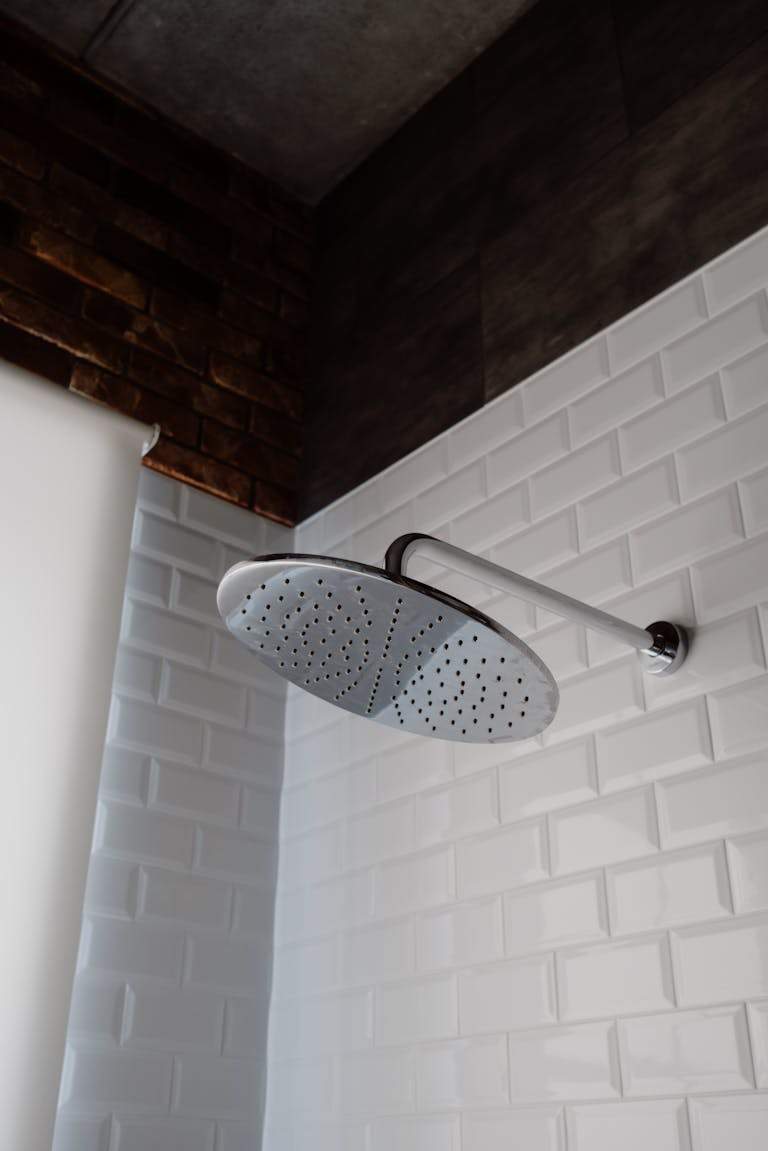
The contractor looked around the bathroom and quoted $14,000. New walk-in shower. Grab bars. Widened doorway. His pen was already moving across the estimate pad. But the homeowner, a 71-year-old retired teacher who had lived in the house for 28 years, stopped him. “I don’t want it to look like a hospital,” she said. “I want it to look like my home.”
That tension – between a home that’s safe and a home that still feels like yours – is exactly what universal design for seniors was built to resolve. This guide explains what universal design actually means in practice, how it differs from standard accessibility modifications, and how to apply its core principles to create a home that works beautifully for you today and keeps working as your needs change, without sacrificing an ounce of style or dignity.
What Universal Design for Seniors Actually Means and Why It Matters
Universal design is an approach to building and modifying spaces so they work well for people of all ages, sizes, and ability levels, not just those with a specific disability or limitation.
The concept was developed in the 1990s by architect Ronald Mace at North Carolina State University. His core insight was simple but radical: if you design a home or product to work for someone with limited mobility, you almost always make it better for everyone else too. A lever door handle is easier for a person with arthritis – and also easier for someone carrying groceries. A zero-step entry helps a wheelchair user – and also helps a parent pushing a stroller, a delivery person with a dolly, and anyone wearing slippery shoes on a wet day.
This is the crucial distinction in the universal design vs accessible design for older adults conversation. Traditional accessible design retrofits a space to meet a specific person’s needs. Universal design for seniors builds flexibility and ease into a space from the start, so the space grows with you rather than requiring repeated renovation every time your needs change.
For seniors, this difference is enormous both practically and emotionally. A home modified through a universal design lens doesn’t announce that someone is struggling. It simply works better. The grab bar looks intentional. The wider hallway feels airy. The curbless shower looks like a spa feature. The home stays yours.
According to the AARP Survey, nearly 90% of adults 65 and older want to remain in their current homes as they age. Yet most American homes were built with none of these principles in mind. The gap between where people want to live and what their homes are actually designed to support is one of the central challenges of aging in America.
For the full picture of aging in place, covering finances, care support, legal planning, and technology alongside home design- see our complete guide to aging in place.
The 7 Principles of Universal Design for Seniors & What They Mean for Your Home
The Center for Universal Design established seven core principles that define the approach. Each one translates directly into specific universal design home features for seniors that are worth understanding before you talk to any contractor or designer.
Principle 1: Equitable Use
What it means: The design works for people with a wide range of abilities; it doesn’t create two classes of users.
In your home: A zero-step entry that everyone uses, rather than a ramp bolted to the side of the house that only the mobility-impaired use. A lever door handle that works for arthritic hands and perfectly healthy ones alike. When a feature serves everyone equally, it carries no stigma.
Principle 2: Flexibility in Use
What it means: The design accommodates a wide range of individual preferences and abilities, including the fact that those abilities change over time.
In your home: An adjustable-height countertop or desk that works whether you’re standing, seated, or using a wheelchair. A shower that works comfortably whether you’re 45 and healthy or 80 and using a shower seat. Flexibility in use is the principle that makes universal design fundamentally future-proof.
Principle 3: Simple and Intuitive Use
What it means: The design is easy to understand regardless of the user’s experience, knowledge, or cognitive ability.
In your home: Clearly labeled controls on appliances. Faucets and thermostats that communicate intuitively, like hot is red, cold is blue. Lighting switches in logical, predictable locations. For someone managing early cognitive changes, intuitive environments reduce confusion and increase safety significantly.
Principle 4: Perceptible Information
What it means: The design communicates necessary information effectively, regardless of ambient conditions or the user’s sensory abilities.
In your home: High-contrast color schemes that help people with low vision distinguish surfaces, a different color between the floor and the baseboard, or between the countertop edge and the backsplash. Doorbells and smoke detectors with both sound and visual alerts for people with hearing loss.
Principle 5: Tolerance for Error
What it means: The design minimizes hazards and adverse consequences of accidental or unintended actions.
In your home: Non-slip flooring throughout. Rounded rather than sharp countertop corners. Stoves with controls on the front or side rather than requiring a reach over a hot burner. This principle quietly does more to prevent injury than almost any other.
Principle 6: Low Physical Effort
What it means: The design can be used efficiently and comfortably, with a minimum of fatigue.
In your home: Lever-style door handles and faucets instead of round knobs. Touch-activated lighting rather than switches that require reaching. Drawer pulls instead of knobs on kitchen and bathroom cabinetry. Appliances at heights that don’t require bending or reaching overhead.
Principle 7: Size and Space for Approach and Use
What it means: Appropriate size and space is provided for approach, reach, manipulation, and use, regardless of body size, posture, or mobility.
In your home: This is where universal design principles for senior living become most visible. Doorways at least 36 inches wide to accommodate walkers or wheelchairs. Five-foot turning radius in bathrooms and kitchens to allow a wheelchair to turn. Knee clearance under counters for seated use. Clear floor space beside the toilet, bed, and seating areas.
The National Association of Home Builders (NAHB) offers a Certified Aging-in-Place Specialist (CAPS) designation for contractors and designers trained to apply these principles. Look for CAPS certification when hiring anyone to help with aging-in-place modifications.
How to Age-Proof Your Home With Universal Design: Room by Room
Understanding how to age-proof your home with universal design means looking at each space through a practical lens: Does this work for me now? Will it work for me in 10 or 20 years? Does it require effort or attention I shouldn’t have to spend?
The Bathroom: Highest Priority
The bathroom is where falls are most likely and where universal design for seniors deliver the greatest safety return.
Key features to consider:
- Curbless (roll-in) shower: no threshold to step over, works with or without a shower bench, looks clean and contemporary
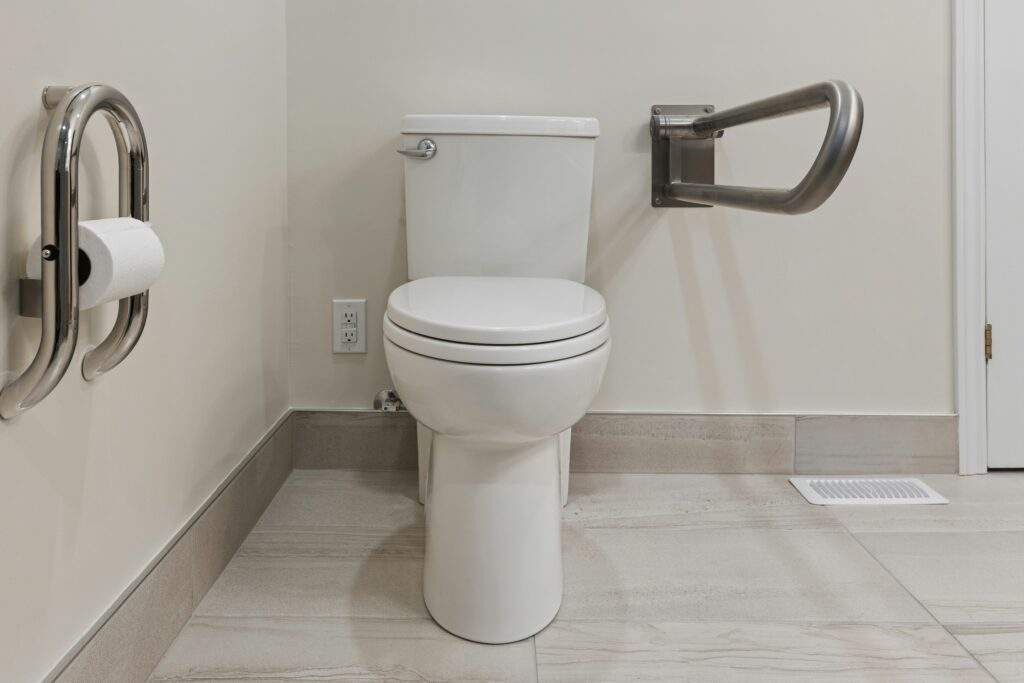
- Grab bars: installed at the toilet, inside the shower, and beside the tub; when designed well, they look intentional, not institutional. CAPS-certified contractors can install grab bars with blocking behind the drywall so they can be added later without full wall reconstruction.
- Single-lever faucet controls: adjust water temperature and flow with one hand
- Comfort-height toilet: at 17–19 inches versus the standard 15 inches, this is easier to sit down on and stand up from
- Non-slip tile or flooring throughout: matte finishes provide significantly better traction than polished surfaces
- Handheld showerhead on adjustable slide bar: usable seated or standing, at any height
According to the CDC, approximately 36 million falls occur among older adults in the U.S. each year, with 3 million treated in emergency rooms. A significant proportion of those falls happen in the bathroom. Universal design bathroom features are not optional safety additions. They are fundamental to aging in place.
The Kitchen: Function Over the Long Term
Universal design home features for seniors in the kitchen focus on reducing strain and maximizing usability:
- Varied counter heights: standard height for standing tasks, one lower section (28–32 inches) for seated or low-effort work
- Pull-out shelving and drawers in base cabinets, so nothing requires kneeling or deep reaching
- D-ring or bar-style cabinet hardware that doesn’t require grip strength
- Side-by-side or French door refrigerator rather than top-freezer models that require reaching overhead
- Induction or smooth-top cooktop with front or side controls, makes sure of no reaching over burners
- Good task lighting over every work surface – poor lighting is a fall and injury risk, even in the kitchen
Main Living Areas and Hallways
- Minimum 36-inch clear pathways throughout, enough for a walker; 42 inches is better
- Lever door handles on every interior door
- Rocker-style or illuminated light switches at consistent, reachable heights
- No-threshold transitions between flooring types because raised thresholds between carpet and hardwood are trip hazards
- Seating with armrests that support getting up and sitting down
Bedroom
- Bed at the right height: 20–23 inches from floor to top of mattress, so feet rest flat on the floor when seated at the edge
- Bedside lighting operable without getting up
- Closets and storage accessible without step stools or overhead reaching
- Clear floor space on both sides of the bed – at least 36 inches on the primary side
Entries and Exterior
- Zero-step entry – this is the single most impactful exterior modification, and one of the most commonly overlooked. A zero-step threshold eliminates one of the most significant fall hazards outside the bathroom.
- Well-lit exterior with motion-activated lighting
- Wide, level pathway from the driveway or street to the front door
- Covered entry to reduce wet surfaces at the door threshold
For a detailed look at which specific modifications are most urgent based on your home’s layout and your current physical condition, see our full guide to [home modifications for aging in place].
What to Do With This Information: Practical Next Steps
- Walk through your home with fresh eyes, or better yet, with a checklist. Download our free Aging in Place Planning Checklist and evaluate each room against the seven universal design principles. Identify the three to five areas with the highest risk or most immediate need.
- Start with the bathroom. If your budget allows only one project, prioritize the bathroom first. Professionally installed grab bars are the highest-value, lowest-cost intervention available – a few hundred dollars can prevent a fall that costs tens of thousands in hospitalization and recovery.
- Consult a Certified Aging-in-Place Specialist (CAPS). CAPS-certified contractors and designers have specific training in applying universal design principles to existing homes. This is not a luxury consultation; it is how you avoid expensive mistakes.
- Plan for the future when you renovate. If you’re updating a kitchen or bathroom anyway, incorporate universal design principles into that renovation now rather than retrofitting again in five years. The incremental cost at renovation time is far lower than the cost of a second modification later.
- Ask about blocking. When walls are opened for any reason – renovation, repair, plumbing work – ask your contractor to install reinforced blocking in bathroom walls where grab bars may be needed later. This costs almost nothing during construction and eliminates the need to open walls again later.
When to See a Professional
A licensed occupational therapist (OT) is the most qualified professional to evaluate your specific home against your specific physical capabilities. An OT doesn’t just apply a standard checklist; they assess how you move through your space, identify your actual risk points, and prioritize modifications accordingly.
Before your OT visit, consider writing down:
- Any areas of your home where you feel unsteady or uncertain
- Any tasks that have recently become harder – getting up from a chair, stepping into the shower, reaching for items
A Note for Family Members and Caregivers
If you’re helping a parent think through home modifications, the single most useful thing you can do is reframe the conversation. Many older adults resist modification because they associate grab bars and ramps with disability and decline. Universal design is the counter-narrative. These are features that make a home work better for everyone, and that happen to extend independence for decades.
Come with photographs. Renovation magazines and design blogs regularly feature beautifully designed bathrooms and kitchens that are fully universal design-compliant without looking clinical. Showing your parent what’s possible rather than describing it changes the conversation.
If the caregiving dimension of this goes deeper for your family, see our resources on [building a care support system] for guidance on coordinating home-based support alongside physical modifications.
The Bottom Line
Universal design for seniors is not about making your home look like a medical facility. It is about building a home that works better for you, for your guests, for your family, and keeps working as you change.
The seven principles give you a framework that applies to every room and every decision. The room-by-room guidance above gives you somewhere to start today.
Your next read: If you’re ready to move from principles to specific modifications, with costs, contractor guidance, and what Medicare may cover, our full guide to [home modifications for aging in place] covers every detail.
Your home has served you well. With the right design approach, it can keep doing exactly that.