How Much Does Aging in Place Remodeling Cost? A Full Breakdown
The contractor came on a Tuesday. By Wednesday, there was a quote on the kitchen table for $47,000 covering a new bathroom, widened doorways, a ramp at the front entry, and a stairlift. The homeowner, a 74-year-old woman who had recently started using a cane, stared at the number and quietly put the paper in a drawer. Six months later, nothing had been done. The bathroom still had no grab bars. The front steps still had no railing.
That drawer, full of quotes that felt impossible, is where far too many aging-in-place plans end up. And it doesn’t have to be that way.
Aging-in-place remodeling cost is not a single number. It is a range that spans from under $100 for a grab bar installation to $30,000 or more for a full bathroom conversion, and almost everything in between is achievable with the right planning. By the end of this post, you will know exactly what each type of modification actually costs, which ones deliver the greatest safety return per dollar, how to sequence your spending, and where to find financial help you may not know exists.
For the full guide on aging-in-place planning, including care support, technology, and legal documents, see our complete guide to aging in place.
Why Aging in Place Remodeling Cost Varies So Widely
Before any cost figures make sense, you need to understand what drives them, because two people asking “how much does aging in place remodeling cost” can get answers that are $40,000 apart and both be completely accurate.
Three factors drive almost all of the variation:
1. Scope: Modification vs. Renovation – There is a meaningful difference between a modification like adding a grab bar, installing a handheld showerhead, replacing door knobs with lever handles, etc., and a renovation such as converting a tub-shower to a curbless walk-in shower, widening doorways, or adding a first-floor bedroom. Modifications can be done for hundreds of dollars. Renovations typically run into the thousands or tens of thousands.
2. Timing: Planned vs. Crisis-Driven -The AARP Public Policy Institute has consistently documented that aging in place modifications made during a planned renovation cost significantly less than the same modifications made in response to an emergency. Opening a wall to widen a doorway during a scheduled bathroom remodel might add $1,500 to the job. Doing it as a standalone project later could cost $3,500 to $5,000. Timing is one of the most powerful cost levers available.
3. Labor Market: Where You Live – A licensed contractor in San Francisco or New York City charges considerably more than one in rural Tennessee or Oklahoma. Regional labor costs can cause identical projects to differ by 30 to 50 percent. The costs in this post reflect national averages. Your local market may run higher or lower.
The Joint Center for Housing Studies at Harvard University estimates that Americans spend billions of dollars annually on home modifications for aging-related needs, with the average household investing between $3,000 and $8,000 over time. But that average conceals enormous variation. Understanding what drives cost in your situation is the starting point for budgeting for aging in place home upgrades realistically.
Room-by-Room Cost Breakdown for Aging in Place Modifications
Bathroom: The Highest Priority and the Widest Cost Range
The bathroom is where the cost of home modifications for elderly living is most consequential and most variable. It is also where the return on investment is clearest. The CDC reports that the bathroom accounts for a disproportionate share of the 36 million falls experienced by older adults in the U.S. annually.
Here is what individual bathroom modifications typically cost:
Low-cost, high-impact modifications:
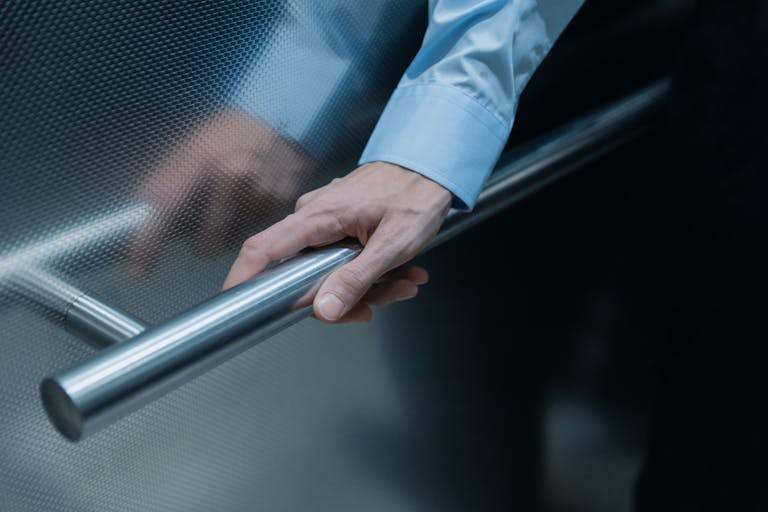
- Grab bar installation (per bar): $75–$200 installed by a professional, including hardware. A full bathroom setup of three bars – beside the toilet, inside the shower, and at the shower entry – typically runs $200–$500 total.
- Non-slip adhesive strips or mat (tub/shower): $15–$60, DIY
- Raised toilet seat (clamp-on adapter): $30–$80, no installation required
- Handheld showerhead with slide bar: $80–$250 installed
- Lever-style faucet replacement: $150–$400 installed
Mid-range modifications:
- Comfort-height toilet replacement: $300–$800 installed
- Walk-in tub installation: $5,000–$16,000, depending on the unit and installation complexity
- Tub-to-shower conversion (standard): $1,500–$5,000
- Bathroom door rehang (outward-opening): $200–$600
Higher-cost renovations:
- Curbless walk-in shower conversion (full): $5,000–$15,000, depending on size, materials, and whether walls are opened
- Full accessible bathroom renovation (curbless shower, comfort-height toilet, grab bars, non-slip flooring, adequate turning radius): $10,000–$25,000+
The single best value in bathroom modification is professional grab bar installation. Three bars, properly anchored to wall studs, for $300 to $500 total (the cost of a single night in a hospital), dramatically reduce the leading cause of fall-related injury at home. If budgeting for aging in place home upgrades requires you to choose one project, start here.
Entry Points and Exterior Access
What the cost of home modifications for elderly living looks like at the entry:
- Handrail installation (exterior steps, one side): $200–$600
- Handrail installation (both sides): $400–$1,000
- Threshold ramp (prefabricated, for small threshold lip): $50–$300
- Lever door handle replacement (per door): $75–$250 installed
- Motion-activated exterior lighting: $100–$400 per fixture installed
- Exterior ramp construction (wood or aluminum, per linear foot): $100–$250 per foot. A standard ramp providing 1 inch of rise per foot of run often needs 7 to 12 feet of length — total cost typically $1,500–$5,000
- Zero-step entry creation (structural modification): $5,000–$15,000+, depending on the extent of grading, construction, and weatherproofing required
Interior Doorways and Hallways
Doorway width is one of the most important and most expensive structural modifications, because it involves opening walls.
- Lever door handle replacement (all interior doors, full home): $500–$1,500
- Doorway widening (single door, non-load-bearing wall): $700–$2,500
- Doorway widening (load-bearing wall — requires structural engineering): $2,500–$7,000+
- Pocket door or sliding door installation (replaces standard swing door): $1,000–$3,500
- Non-slip flooring — luxury vinyl plank replacement (per square foot): $3–$8 materials plus $2–$5 installation
An important planning note on doorways: If you are already planning any bathroom or bedroom renovation, adding doorway widening to that same project reduces cost significantly. The wall is already disrupted. The incremental cost of widening versus not widening is far less than doing it as a standalone project later.
Kitchen Modifications
The kitchen typically carries a lower acute safety risk than the bathroom, but daily function matters significantly over the long term.
- Pull-out cabinet shelving installation (per cabinet): $200–$500 installed
- Cabinet hardware replacement (full kitchen): $300–$800
- Single-lever faucet replacement: $200–$500 installed
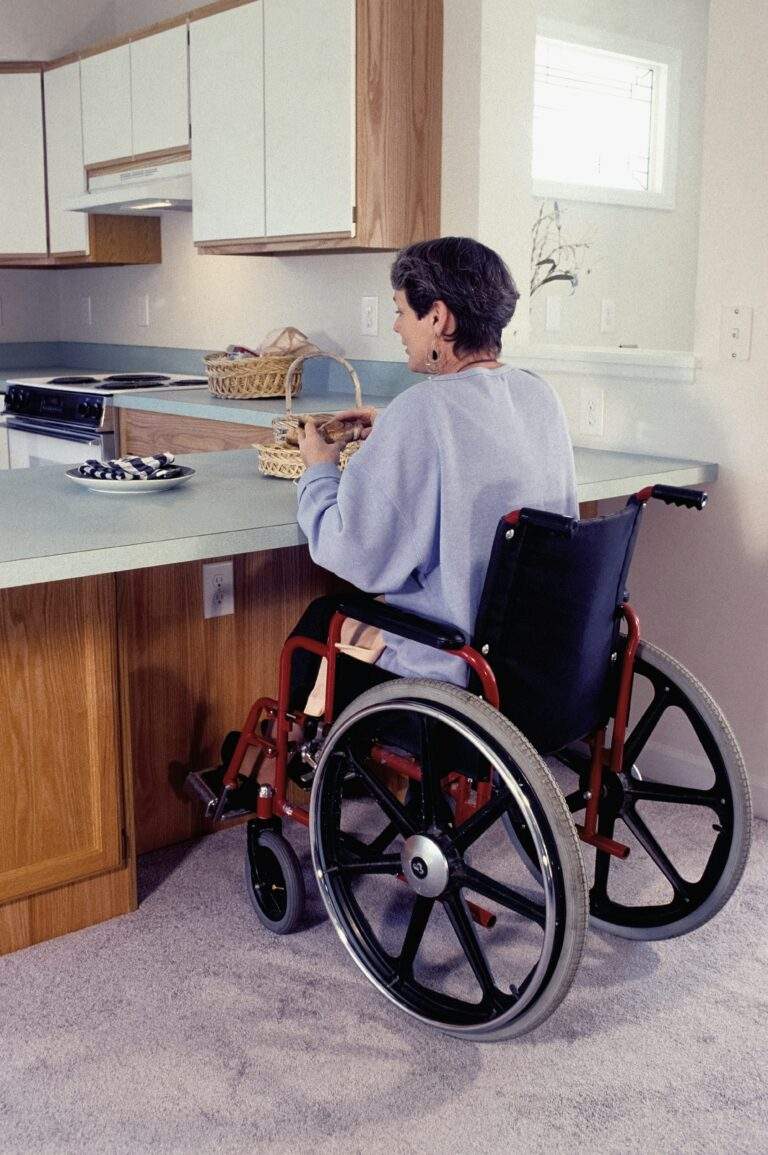
- Countertop lowering (one section, for seated use): $500–$2,000
- Cooktop replacement (to front-control induction model): $800–$2,500 installed
- Microwave relocation (overhead to counter-height): $200–$600
- Full accessible kitchen renovation (varied counter heights, pull-out storage, accessible appliances): $15,000–$40,000+
Stairlift and Elevator Options
When stairs become unmanageable, two primary options exist:
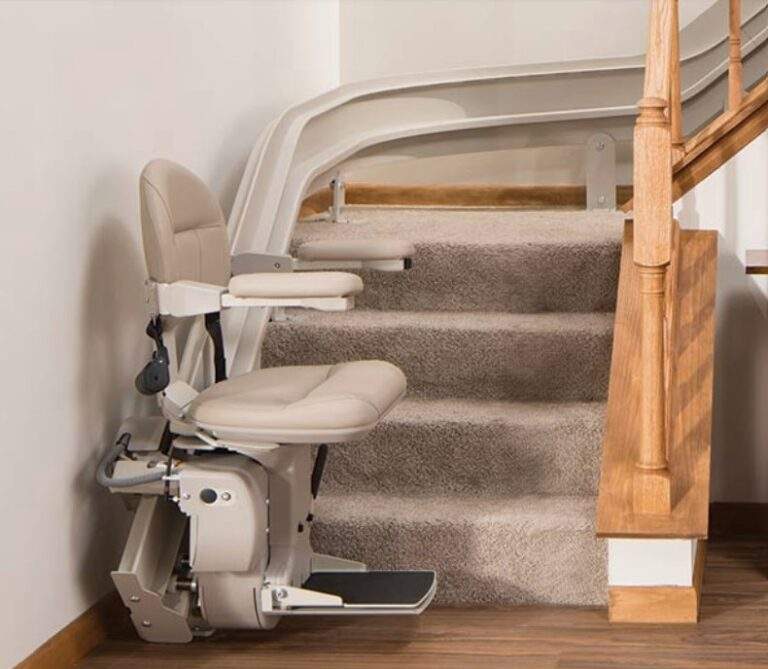
- Stairlift (straight staircase): $3,000–$6,000 installed. Many reputable companies offer refurbished units for $1,500–$3,500.
- Stairlift (curved staircase): $8,000–$15,000+ – curved tracks are custom-fabricated
- Residential elevator (new installation): $15,000–$35,000+, requires significant structural modification
- Vertical platform lift (alternative to elevator for shorter rises): $5,000–$12,000
For most people, a stairlift on a straight staircase is the most practical and affordable solution when stairs become the primary barrier to remaining at home.
Whole-Home Systems and Technology
- Medical alert system: $20–$60/month (no upfront purchase required in most plans). See our guide to [medical alert systems for seniors] for a full comparison of options.
- Smart home starter package (smart speaker, smart thermostat, smart lock): $300–$800 in equipment, plus optional professional installation
- Video doorbell: $100–$300 installed
- Automated night lighting (full hallway system): $150–$500
- Whole-home lighting upgrade (rocker switches, illuminated switches, outlet height): $1,500–$4,000 depending on scope

How to Budget for Aging in Place Modifications: A Tiered Approach
Budgeting for aging in place home upgrades works best when approached in tiers, not as a single lump sum, but as a phased plan matched to current needs, near-term risks, and longer-term contingencies.
Tier 1: Immediate Safety – Under $1,500
Every home should complete these modifications regardless of budget:
- Professional grab bar installation in the bathroom (toilet and shower): $200–$500
- Removal of all loose area rugs: $0
- Lever door handle replacement on primary entry and bathroom: $150–$350
- Non-slip strips in shower/tub: $15–$60
- Nightlight installation in hallways and bathroom: $20–$60
- Exterior handrail on any entry steps (if not already present): $200–$600
Total Tier 1 estimate: $600–$1,500. These modifications address the highest-probability fall hazards in most homes and should be completed before any other project is planned.
Tier 2: Functional Improvement – $1,500 to $10,000
Once immediate hazards are addressed, these modifications improve daily function and extend the period of comfortable independent living:
- Comfort-height toilet installation: $300–$800
- Curbless shower conversion (if a step-over tub is present): $3,000–$8,000
- Exterior ramp or accessible entry (if no zero-step entry exists): $1,500–$5,000
- Interior doorway widening (primary bedroom and bathroom): $1,500–$5,000
- Pull-out kitchen cabinet shelving: $600–$2,000
Tier 3: Long-Term Planning – $10,000+
These are the larger structural modifications that may not be urgent today but should be planned and funded in advance:
- Full accessible bathroom renovation: $10,000–$25,000
- Stairlift installation: $3,000–$6,000
- First-floor bedroom conversion: $5,000–$20,000 depending on scope
- Full accessible kitchen renovation: $15,000–$40,000
Funding Sources That Can Reduce Your Out-of-Pocket Cost
Understanding how much aging in place remodeling costs is only half the picture. The other half is knowing who can help you pay for it.
Medicare
Original Medicare (Parts A and B) does not cover home modifications such as grab bars, ramps, or bathroom renovations. However, some Medicare Advantage (Part C) plans include a home modification benefit; coverage varies significantly by plan.
Medicaid Home and Community Based Services (HCBS)
Many states operate Medicaid HCBS waiver programs that cover home modifications as part of keeping Medicaid-eligible seniors out of nursing facilities. Coverage and eligibility vary by state. Contact your state Medicaid office or your local Area Agency on Aging for guidance on what’s available in your community.
Veterans Benefits
If you served in the U.S. military, the Department of Veterans Affairs (VA) offers two grant programs specifically for home modifications:
- Specially Adapted Housing (SAH) grant: Up to $109,986 (2024 figure) for veterans with service-connected disabilities
- Special Housing Adaptation (SHA) grant: Up to $22,036 for qualifying conditions
State and Local Programs
Most states have programs often administered through the Area Agency on Aging network that provide grants, low-interest loans, or free labor for home modifications for qualifying seniors. Programs vary significantly by location.
Nonprofit and Community Organizations
- Rebuilding Together operates local affiliates in most U.S. states, providing free home repairs and modifications for low-income seniors
- Habitat for Humanity affiliates in many communities offer home repair programs for qualifying individuals
- Local faith communities and service organizations sometimes provide volunteer labor for modifications
Tax Considerations
Some aging in place home modifications may qualify for a medical expense deduction on your federal tax return if they are recommended by a physician and primarily serve a medical purpose. This is a complex area of tax law. Consult a certified public accountant (CPA) or tax advisor with elder care experience before assuming any modification qualifies.
What to Do With This Information: Practical Next Steps
- Complete a home safety assessment before spending a dollar. Knowing exactly what your home needs and what it doesn’t prevents wasted spending. Use our aging in place home assessment guide to walk through every room systematically, or schedule a professional assessment with a licensed occupational therapist.
- Start with Tier 1 modifications immediately. Grab bars, lever handles, nightlights, and rug removal address your highest fall risks for under $1,500. Don’t let planning for larger projects delay the safety improvements your home needs right now.
- Contact your local Area Agency on Aging before hiring any contractor. They know what funding programs exist in your specific community, and many seniors qualify for assistance they don’t know about. A 30-minute call can save thousands of dollars.
- Hire a CAPS-certified contractor for any project over $2,000. A Certified Aging-in-Place Specialist (CAPS) has specific training in aging-related home modification and will make better recommendations than a general contractor working from a checklist.
- Time for larger renovations with planned updates. If a kitchen or bathroom remodel is already on your horizon, bring aging-in-place modifications into that project scope now. The incremental cost is dramatically lower than a standalone project later.
When to See a Professional
For modifications under $500, like grab bars, lever handles, and nightlights, a licensed handyman with experience in aging-in-place work is sufficient. Ask specifically whether they have installed grab bars anchored to wall studs, not just drywall.
For any project over $2,000, or any project involving structural changes (doorway widening, ramp construction, curbless shower conversion), you need two professionals:
- A licensed occupational therapist (OT) to assess your specific physical needs and ensure modifications match them not just a standard accessibility template
- A CAPS-certified contractor to design and execute the modifications correctly
Before your contractor consultation, write down:
- What specific tasks have become harder or less certain in the past year?
- Which areas of your home give you pause even briefly?
These answers focus the project on what actually matters rather than what a general renovation checklist suggests.
For understanding how the broader healthcare system intersects with your aging-in-place plan, see the complete guide to aging in place.
A Note for Family Members and Caregivers
If you’re helping a parent think through renovation costs, the most useful thing you can do is reframe the conversation from “how much will this cost?” to “what is the cost of not doing it?”
A single fall resulting in a hip fracture costs an average of $30,000 to $50,000 in acute medical care in the U.S., according to the National Council on Aging, before accounting for rehabilitation, home health care, or lost independence. A complete Tier 1 safety modification package costs $600 to $1,500.
Resistance to modification is often not about the money; it’s about what the modifications feel like they mean. Framing grab bars and accessible showers as planning, rather than accommodating decline, changes the conversation significantly.
For broader guidance on supporting a parent through care planning conversations, see our resources on [building a support system for aging in place].
The Bottom Line on Aging in Place Remodeling Cost
Aging in place remodeling cost ranges from under $100 to well over $30,000, depending entirely on what your home needs, when you address it, and who you hire to do the work.
The most important things to carry forward: start with Tier 1 safety modifications regardless of what larger projects are planned, time bigger renovations with other scheduled updates to reduce cost, and contact your Area Agency on Aging before spending anything significant. Funding assistance is more available than most people realize.
Your next step: Before you talk to a contractor, make sure you know exactly what your home actually needs. Our complete aging in place remodeling checklist walks you through every modification category – room by room – so you go into any contractor conversation knowing precisely what to ask for, and what not to spend money on.
Planning this carefully before a crisis forces your hand is one of the most genuinely protective things you can do for your independence, your safety, and your wallet.